
Description
Overview of Spain Ballistic Missile Market
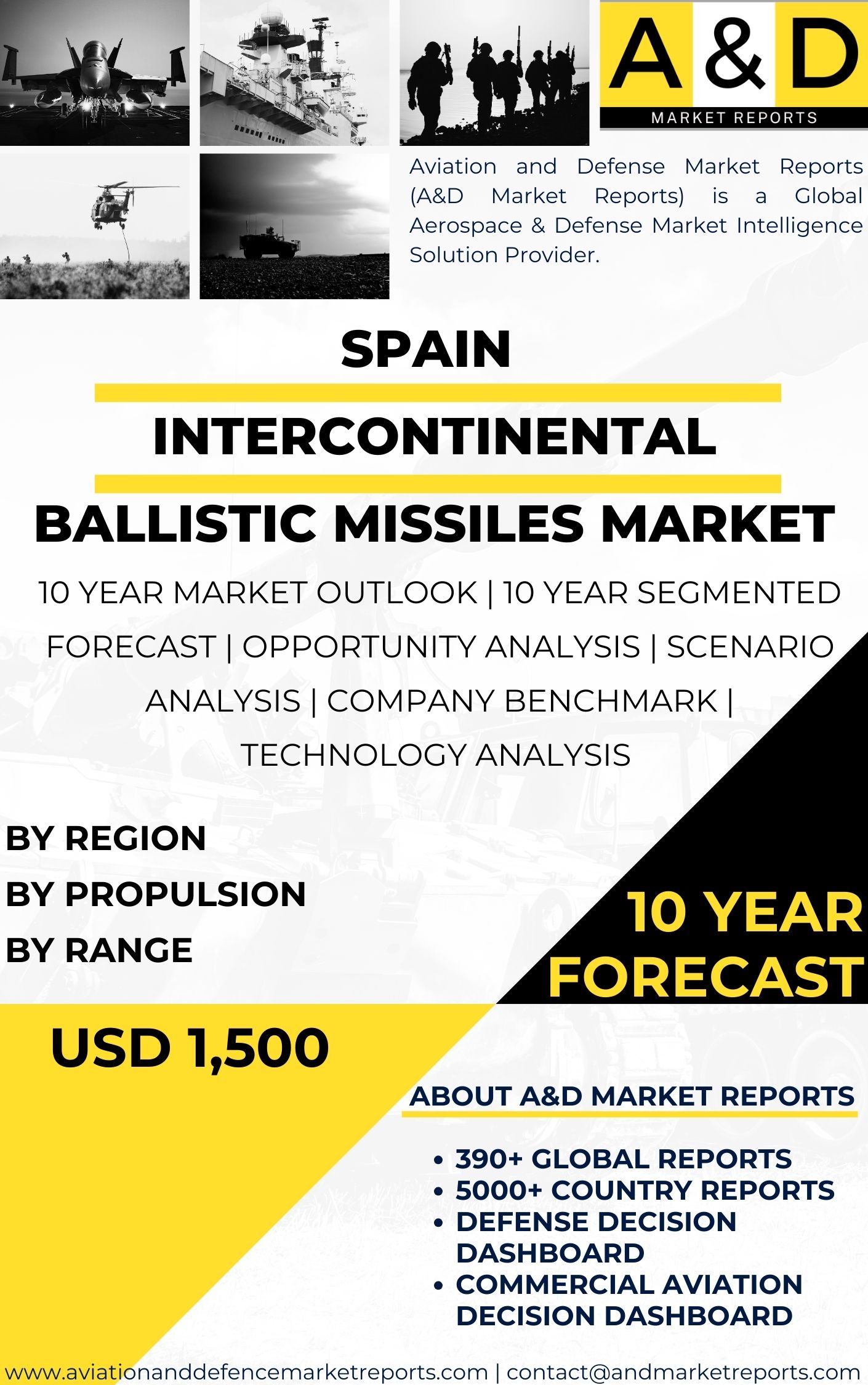
The ballistic missile market in Spain is an important part of the country’s defense industry. It supports national security and long-range deterrence capability. Ballistic missiles can travel long distances and hit targets with high accuracy. Spain considers these systems as part of broader defense and NATO commitments. In addition, they contribute to strategic defense planning and regional stability. Therefore, this market remains closely linked with geopolitical and security needs. It also reflects Spain’s focus on modern defense preparedness. Moreover, it supports long-term military capability development.
Strategic Importance and Defense Role
Spain’s defense forces view missile capability as an important deterrent tool. It helps protect national territory and supports allied defense operations. In addition, Spain’s NATO membership influences its missile strategy and planning. The country focuses mainly on defensive systems rather than offensive expansion. Therefore, missile systems are designed to support protection and deterrence roles. They also strengthen Spain’s contribution to collective security frameworks. Moreover, they improve readiness against modern missile threats.
International Treaties and Arms Control
Spain follows strict international arms control agreements in missile development. One key framework is the Missile Technology Control Regime (MTCR). This agreement limits the spread of long-range missile technologies. As a result, Spain carefully regulates missile-related development and procurement. In addition, compliance with international rules guides defense planning. Therefore, Spain avoids unrestricted missile expansion programs. It also ensures responsible use of missile technologies. Moreover, it supports global non-proliferation efforts.
Foreign Collaboration and Defense Systems
Spain has historically relied on international partners for missile systems. For example, it uses systems like the Patriot air defense missile. These systems help strengthen its defensive capabilities. In addition, Spain works with NATO allies on missile defense programs. This improves interoperability between allied forces. Therefore, collaboration remains a key part of missile capability development. It also reduces development costs and technical risks. Moreover, it ensures access to advanced technologies.
Domestic Development Efforts
Spain is gradually increasing its domestic defense technology capabilities. Its defense industry invests in research and development programs. These efforts aim to strengthen local missile-related expertise. In addition, Spain focuses on improving its defense industrial base. Therefore, reliance on foreign systems may reduce over time. Domestic innovation also supports technological independence. Moreover, it creates skilled jobs and industrial growth.
Regional Security Environment
Spain’s missile strategy is influenced by regional security challenges. These include terrorism, cyber threats, and geopolitical instability. In addition, global missile proliferation increases security concerns. Therefore, Spain maintains a strong defensive posture. Missile systems help deter potential threats and attacks. They also support rapid response capabilities in crisis situations. Moreover, they strengthen Spain’s overall national defense readiness.
Technological Advancements in Missile Systems
Modern missile systems have become more advanced and precise. Improvements in guidance systems increase accuracy and efficiency. In addition, propulsion and range capabilities continue to improve. Therefore, ballistic missile technology evolves rapidly over time. Spain monitors these global advancements closely. It also evaluates how new technologies affect defense strategy. Moreover, innovation plays a key role in future development planning.
Budget and Economic Considerations
Defense spending strongly influences missile development in Spain. Budget limitations affect procurement and modernization programs. In addition, the government must balance multiple defense priorities. These include personnel, equipment, and infrastructure needs. Therefore, missile programs must compete for funding allocation. Cost efficiency becomes an important decision factor. Moreover, long-term planning is required for sustainable investment.
Proliferation Risks and Security Challenges
The global spread of missile technology creates security concerns. More countries and groups now access advanced missile systems. Therefore, Spain closely monitors international developments. It also cooperates with allies to reduce proliferation risks. In addition, intelligence sharing improves threat awareness. These actions help protect national and regional security. Moreover, they support early warning and defense preparedness.
Government Policy and Strategic Balance
Spain’s government follows a balanced approach to missile capability. It combines international cooperation with controlled domestic development. In addition, arms control compliance remains a priority. Therefore, policy decisions focus on stability and responsibility. Missile development is aligned with defense and NATO strategies. It also supports long-term national security goals. Moreover, it ensures compliance with global security frameworks.
Conclusion
The ballistic missile market in Spain is a key part of national defense strategy. It supports deterrence, security, and international cooperation. Spain carefully balances development, regulation, and collaboration. In addition, it follows strict arms control commitments. Therefore, its missile approach remains controlled and strategic. As security challenges evolve, Spain continues to strengthen its defense capabilities. Moreover, it focuses on stability, responsibility, and technological advancement.