
Description
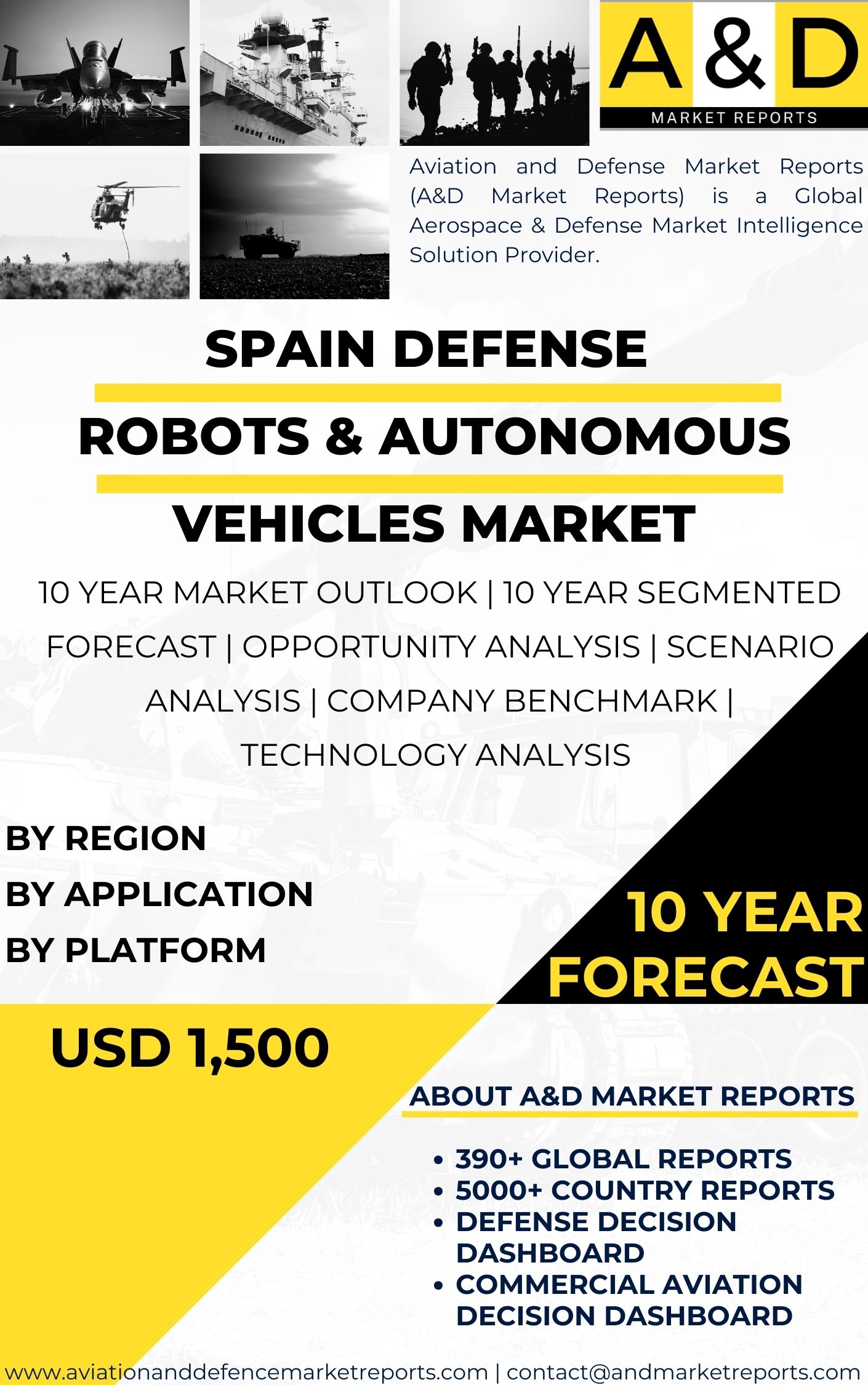
Overview of Spain Defense Robots & Autonomous Vehicles Market
The Spain Defense Robots & Autonomous Vehicles Market is growing quickly. It is becoming a key part of modern military systems. These robots and vehicles support many defense operations. They help in logistics, reconnaissance, and combat support. They also reduce risk to human soldiers. The Spanish Armed Forces use them in many mission types. Because of this, demand is increasing steadily. Spain is also investing in autonomous defense technologies. These systems improve speed and accuracy in operations. The market is expected to expand further in the coming years.
Key Growth Drivers
Several important factors are driving this market. First, robotics technology is improving rapidly. Artificial intelligence is also becoming more advanced. These improvements make systems more efficient. They also improve decision-making ability. As a result, autonomous systems perform better in complex missions. In addition, Spain is modernizing its defense structure. Therefore, investment in robotics is increasing. The need for faster military response is also rising. This is further supporting market growth.
Military Modernization and Strategy
The Spanish Armed Forces are focusing on modernization. They want to improve operational efficiency. Robots and autonomous systems support this goal. These systems help reduce human workload. They also increase mission safety. Spain is also improving battlefield technology. Therefore, autonomous vehicles are being added to military fleets. This includes both land and aerial systems. These upgrades strengthen Spain’s defense readiness.
Applications in Military Operations
Robots and autonomous vehicles are used in many missions. They support surveillance and intelligence gathering. They also help in transport and logistics. In addition, they are used in dangerous missions. For example, explosive disposal is one major use. Route clearance is another important task. These systems reduce risks for soldiers. They also improve mission success rates. Their flexibility makes them highly valuable.
Logistics and Supply Chain Support
Autonomous systems are very useful in logistics. They help transport weapons and supplies. They also support maintenance operations. This reduces the need for human involvement. As a result, military efficiency improves. Supply chains become faster and more reliable. Spain is using these systems in modern military logistics. They help in remote and difficult areas. This improves overall operational support.
AI and Autonomous Capabilities
Artificial intelligence is improving robotic systems. AI helps machines learn from data. It also improves navigation and decision-making. Autonomous systems can now operate with less human control. This increases operational efficiency. It also reduces response time in missions. Machine learning improves system performance over time. Spain is investing in AI-driven defense systems. This makes military operations more advanced and effective.
Situational Awareness and Surveillance
Robots and drones improve battlefield awareness. They collect real-time data from the field. They also use advanced sensors and cameras. This helps commanders make better decisions. Surveillance becomes more accurate and continuous. These systems also work in dangerous areas. Therefore, human risk is reduced significantly. Spain uses them for border and coastal monitoring. This improves national security.
Combat Support and Hazard Operations
Autonomous systems support combat operations. They assist in dangerous battlefield tasks. For example, they handle explosive threats. They also help clear unsafe routes. This protects human soldiers from harm. In addition, they improve mission speed. These systems can operate in high-risk zones. Therefore, they are very important for defense missions. Spain is increasing their use in field operations.
Cybersecurity and Safety Risks
Cybersecurity is a major concern in this market. Autonomous systems depend on digital networks. This makes them vulnerable to cyber attacks. Hackers may try to take control of systems. They may also disrupt operations. Therefore, strong protection systems are required. Spain is improving defense cybersecurity. Secure communication is very important. Data protection systems are also being strengthened.
Ethical and Legal Challenges
There are also ethical concerns in this market. Autonomous weapons raise legal questions. Responsibility for decisions is unclear sometimes. International laws must be followed carefully. Spain must ensure proper regulation. Human control is still very important in warfare. Ethical use of AI systems is necessary. Therefore, strict guidelines are required. These issues must be managed carefully.
Integration and Interoperability
Integration with existing systems is a challenge. Robots must work with older military platforms. Communication between systems must be smooth. This requires advanced planning. It also needs strong technical support. Spain is working on better interoperability. Manned and unmanned systems must work together. This improves overall military coordination. It also increases operational efficiency.
Future Outlook
The future of this market is very strong. Demand for autonomous systems will grow. AI technology will continue to improve. More advanced robots will enter service. Spain will increase investment in automation. Military operations will become more digital. These systems will become more intelligent. As a result, defense efficiency will increase. The market will expand steadily in the future.
Conclusion
The Spain Defense Robots & Autonomous Vehicles Market is very important. It improves military operations in many areas. These systems support logistics, surveillance, and combat missions. They also reduce risk for soldiers. Spain is actively investing in this technology. However, challenges like cybersecurity and ethics exist. These must be carefully managed. Even so, the future looks very positive. Autonomous systems will play a major role in Spain’s defense strategy.