
Description
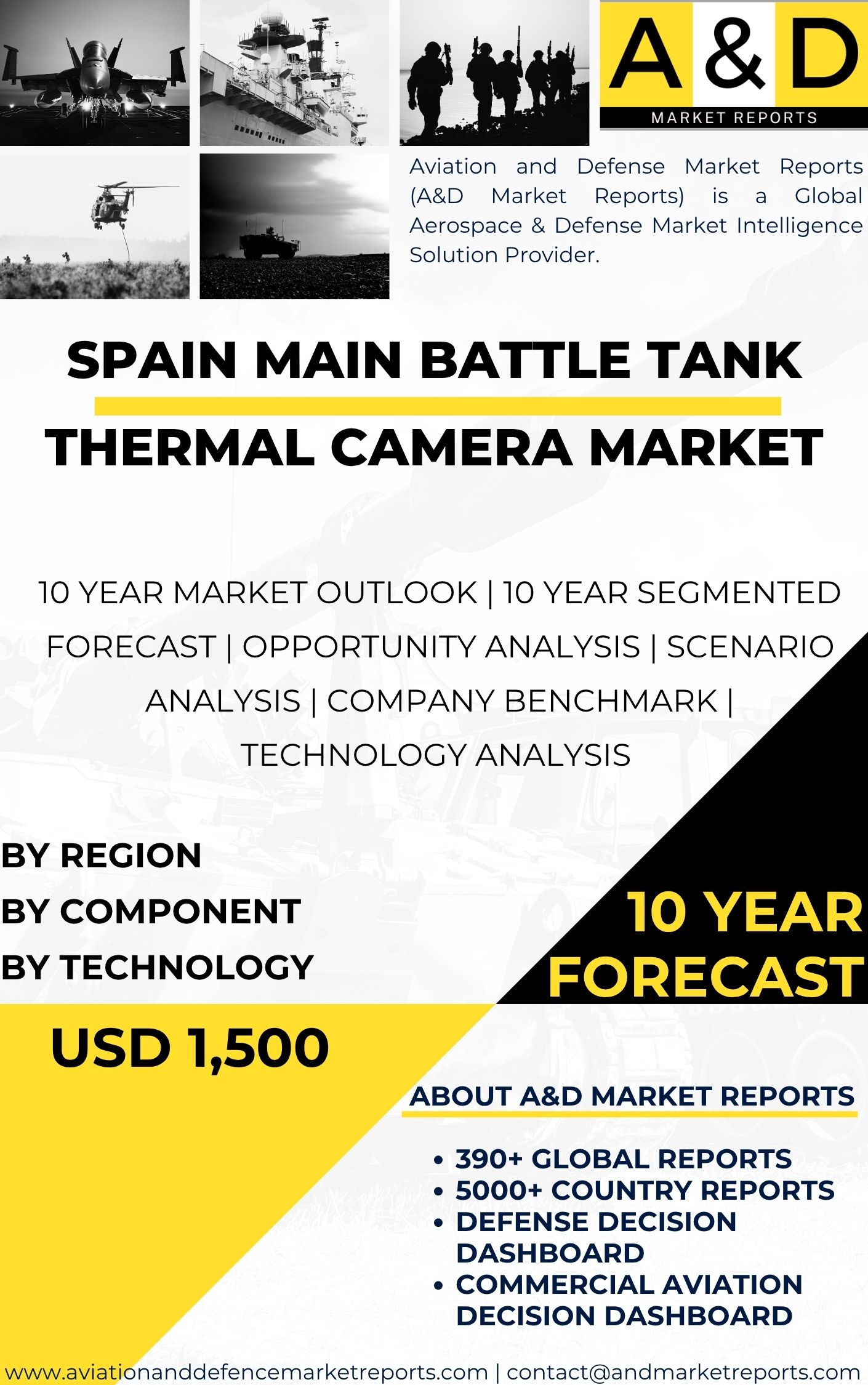
Overview of Spain’s Main Battle Tank Thermal Camera Market
Spain Main Battle Tank Thermal is an important part of the country’s armored vehicle modernization efforts and defense strategy. Thermal cameras help tank crews detect, identify, and engage targets during low-visibility conditions such as darkness, smoke, fog, and battlefield dust. These systems improve battlefield awareness and increase operational effectiveness during combat missions. Spain continues to upgrade its armored forces, including Leopard 2 main battle tanks, which drives demand for advanced thermal imaging systems. Thermal cameras also improve crew survivability by allowing early threat detection and faster response during both offensive and defensive operations.
Types of Thermal Camera Technologies
The market in Spain includes several types of thermal imaging technologies designed for armored combat platforms. Modern systems use both cooled and uncooled infrared sensors to provide clear imaging at different operational ranges. Long-wave infrared sensors help crews detect heat signatures in difficult weather and environmental conditions. Thermal cameras are integrated into gunner sights, commander periscopes, and turret observation systems, allowing crews to monitor multiple areas simultaneously. Advanced systems also support automatic target tracking, image stabilization, and multi-spectral imaging to improve target recognition and engagement accuracy during combat operations.
Technological Advancements in Thermal Imaging
Technological innovation plays a major role in Spain’s thermal camera market. Modern thermal imaging systems offer improved sensor sensitivity, faster image processing, and higher display resolution. Advanced image processing software enhances target visibility through edge detection, target highlighting, and automatic recognition features. Integration with fire control systems allows thermal cameras to support ballistic calculations, target tracking, and rapid engagement decisions. Many systems also combine thermal imaging with laser rangefinders, radar systems, and night vision technologies to improve situational awareness across the battlefield. Spanish defense companies continue to work with European partners to develop more advanced and reliable thermal imaging solutions for armored vehicles.
Operational Importance for Armored Forces
Thermal cameras provide major operational advantages for Spain’s armored units. These systems allow tank crews to operate effectively during day and night missions and under harsh battlefield conditions. Long-range thermal detection helps crews identify enemy vehicles, infantry positions, and hidden threats before direct visual contact occurs. This capability improves survivability and supports faster battlefield decision-making. Thermal cameras also assist reconnaissance missions, perimeter surveillance, and coordinated operations with infantry and other armored units. Regular training and maintenance programs ensure that crews can operate the systems efficiently and maintain optimal sensor performance during missions.
Integration with Modern Battlefield Systems
Spain’s modern armored platforms increasingly rely on integrated digital battlefield systems. Thermal cameras now operate alongside communication networks, electronic warfare systems, and battlefield management software to support network-centric warfare operations. Real-time data sharing between armored units improves coordination and tactical awareness during combat. Integration with modern command-and-control systems also supports faster target engagement and improved mission planning. Spain’s participation in NATO programs encourages the use of interoperable thermal imaging technologies that can function effectively during multinational operations and joint military exercises.
Challenges and Future Market Growth
Despite continued market growth, Spain’s main battle tank thermal camera sector faces several challenges. Advanced thermal imaging systems require significant investment in research, production, and system integration. Equipment must also withstand extreme battlefield conditions such as vibration, temperature changes, and physical shock while maintaining high imaging performance. Continuous software and hardware upgrades are necessary to address evolving operational requirements and emerging battlefield threats. However, Spain’s focus on armored vehicle modernization, defense innovation, and operational readiness continues to support strong demand for advanced thermal imaging systems in the coming years.