
Description
Introduction to the Spain Ship Radar Market
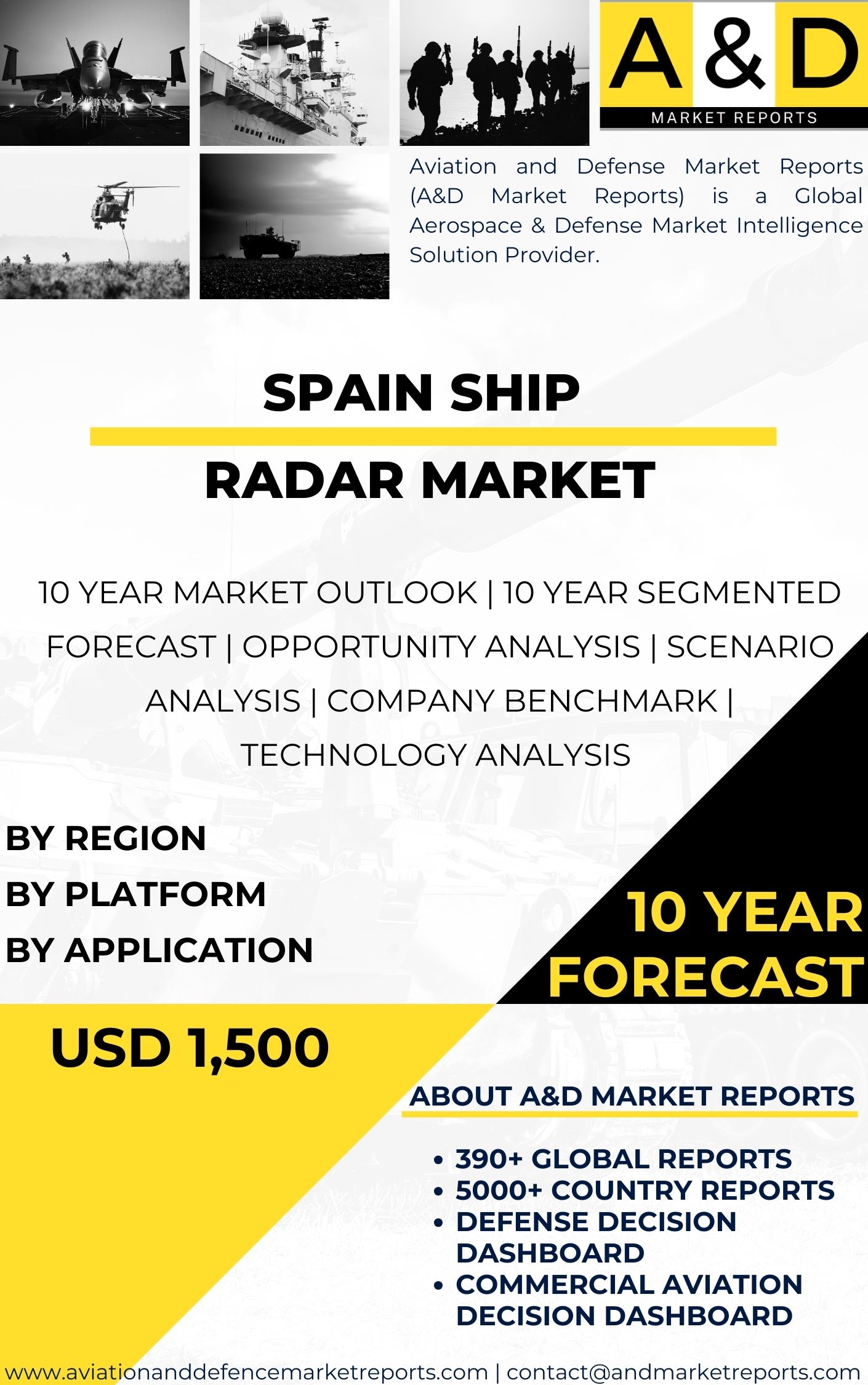
The Spain Ship Radar Market is an important part of the country’s maritime and defense industry. Ship radar systems help vessels detect nearby ships, coastlines, obstacles, and weather conditions during navigation. These systems improve maritime safety, operational efficiency, and surveillance capabilities for both military and commercial fleets. Spain’s strong maritime presence and strategic coastal position continue to increase the demand for advanced radar technologies. In addition, ship radar systems support search and rescue operations, maritime security, and naval defense activities. The market continues to grow as Spain modernizes its naval and shipping infrastructure.
Importance of Spain’s Maritime Position
Spain’s geographic location makes maritime security and navigation highly important for the country. The nation has long coastlines, busy ports, and extensive maritime territories that require constant monitoring. Therefore, ship radar systems play a key role in ensuring safe vessel movement and protecting maritime borders. Spanish naval forces and coast guard agencies rely heavily on radar systems for surveillance and operational coordination. In addition, commercial shipping companies use radar systems to improve navigation safety in crowded sea routes. This growing dependence continues to support market expansion.
Rising Maritime Security Threats
The increase in maritime security threats has significantly boosted the demand for advanced ship radar systems in Spain. Illegal fishing, piracy, smuggling, and unauthorized maritime activities remain major concerns for naval and coast guard authorities. Therefore, radar systems help security forces monitor suspicious vessel movements and respond quickly to threats. In addition, radar technology improves coastal surveillance and border protection activities. Advanced radar systems provide real-time tracking and situational awareness during maritime operations. As security challenges continue to evolve, Spain continues to strengthen its maritime defense capabilities.
Naval Fleet Modernization Programs
The Spanish Navy continues to invest in advanced radar technologies as part of its fleet modernization strategy. Modern naval vessels require highly accurate and reliable radar systems for navigation, target tracking, and operational coordination. Therefore, defense authorities focus on upgrading existing radar infrastructure with advanced digital systems. In addition, modern radar technologies improve command and control capabilities during naval missions. Radar modernization also supports better communication between naval platforms and defense networks. These investments continue to strengthen the operational effectiveness of the Spanish Navy.
Growth in Commercial Shipping Applications
Commercial shipping companies in Spain also contribute significantly to the growth of the Ship Radar Market. Cargo ships, fishing vessels, passenger ferries, and transport fleets rely on radar systems for safe maritime navigation. Radar systems help vessel operators avoid collisions, monitor sea traffic, and navigate safely during poor weather conditions. In addition, international maritime regulations require many commercial vessels to install reliable radar equipment. As global trade and shipping activities continue to increase, the demand for efficient maritime navigation systems also rises steadily across Spain.
Technological Advancements in Ship Radar Systems
Rapid technological advancements continue to improve ship radar performance and operational capabilities. Modern radar systems now provide high-resolution imaging, faster target detection, and advanced tracking features. In addition, digital radar systems improve accuracy and reduce signal interference during operations. Many modern systems also integrate with GPS, navigation software, and communication networks for better situational awareness. Advanced radar technologies allow ship operators to monitor surrounding environments more effectively. As innovation continues, radar systems become smarter, more efficient, and easier to operate.
European Collaboration and Joint Programs
Spain benefits from strong collaboration with European nations in naval technology development and maritime defense programs. Joint projects encourage technological exchange, interoperability, and cost-sharing among European defense industries. In addition, these partnerships support the development of advanced radar systems that meet modern naval requirements. European cooperation also strengthens maritime surveillance capabilities across regional waters. Shared defense initiatives improve operational coordination during multinational naval missions and emergency response activities. This international collaboration continues to support market growth and technological progress.
Challenges Related to System Costs
Despite strong market growth, the high cost of advanced radar systems remains a major challenge. Modern ship radar technologies require significant investment in research, manufacturing, installation, and maintenance. Smaller commercial vessel operators may face difficulties in purchasing advanced radar equipment due to budget limitations. In addition, ongoing maintenance and software upgrades increase operational costs over time. Therefore, manufacturers continue to focus on developing cost-effective solutions without reducing system performance or reliability. Balancing affordability and technological advancement remains important for long-term market growth.
Safety and Reliability Requirements
Ship radar systems operate in difficult marine environments where reliability is extremely important. Rough sea conditions, storms, saltwater exposure, and heavy humidity can affect radar performance. Therefore, manufacturers must conduct rigorous testing and quality control to ensure system durability and operational safety. In addition, radar systems must maintain accurate performance during long maritime missions and emergency situations. Reliable radar systems help prevent navigation accidents and improve crew safety during operations. Continuous maintenance and regular inspections remain essential for dependable radar performance.
Spectrum Management and Regulatory Concerns
Effective spectrum management remains another important challenge in the Spain Ship Radar Market. Radar systems use specific radio frequencies to detect and track objects during maritime operations. Therefore, authorities must carefully manage frequency allocation to avoid signal interference between multiple systems. In addition, radar manufacturers must comply with international maritime regulations and communication standards. Proper spectrum management improves radar efficiency and ensures smooth operation in busy maritime environments. Regulatory compliance also supports safe and coordinated maritime activities across Spain’s waters.
Future Outlook of the Spain Ship Radar Market
The future of the Spain Ship Radar Market remains highly positive due to rising maritime security needs and continuous technological innovation. The Spanish Navy and commercial shipping companies will continue investing in advanced radar systems to improve operational safety and surveillance capabilities. In addition, increasing international trade and maritime traffic will support long-term demand for efficient navigation technologies. Modern digital radar systems, stronger European partnerships, and fleet modernization programs will further strengthen market growth. As maritime operations become more advanced, ship radar systems will remain essential for safe, secure, and efficient naval and commercial activities across Spain.