
Description
Spain Unmanned Surface and Underwater Vessels Market Overview
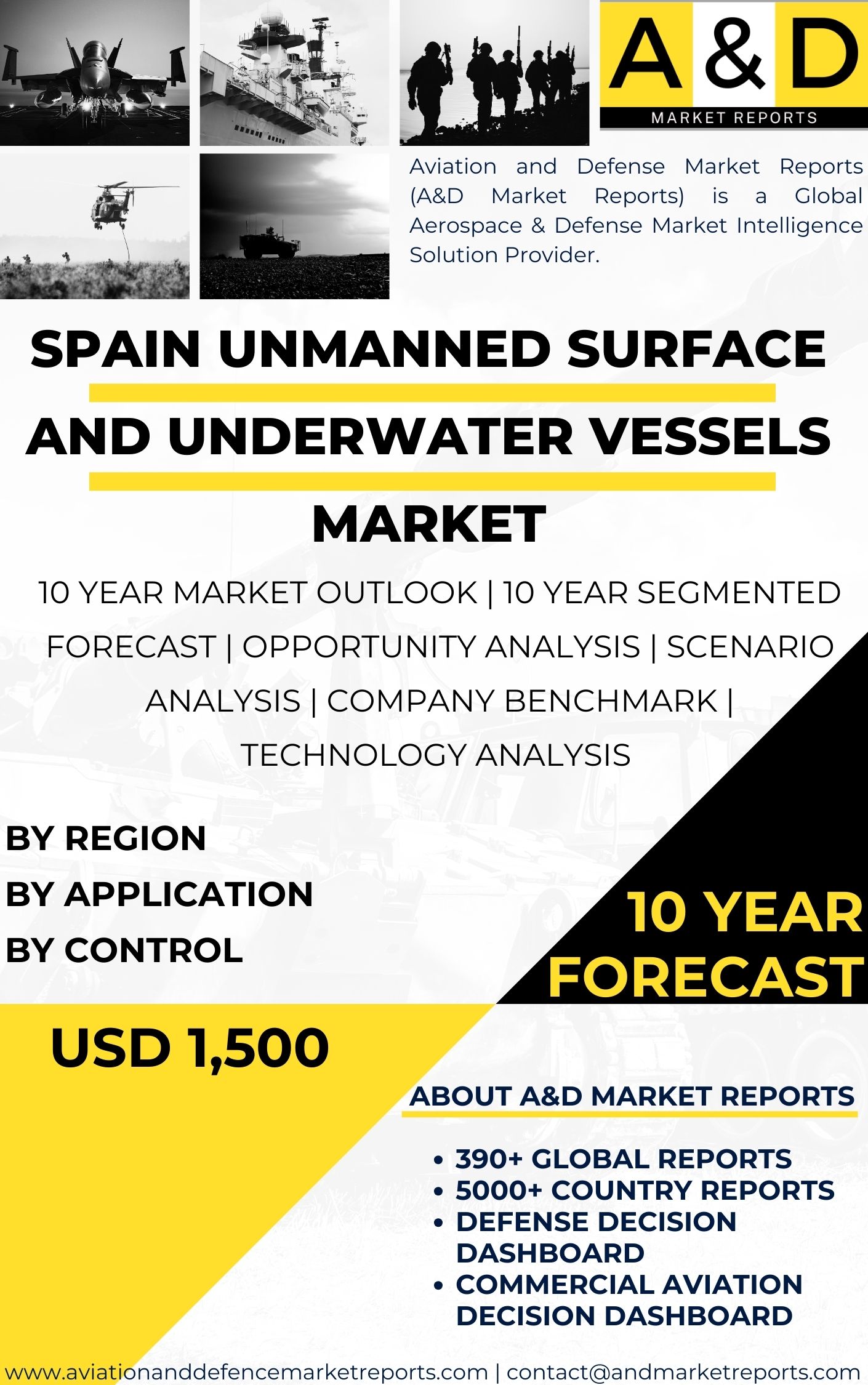
The Spain Unmanned Surface and Underwater Vessels Market is an important and rapidly developing segment of the country’s maritime defense industry. Unmanned surface vessels (USVs) and unmanned underwater vehicles (UUVs) are advanced maritime systems designed to operate remotely or autonomously without onboard crews. These systems support a wide range of naval missions, including maritime surveillance, underwater reconnaissance, mine countermeasure operations, anti-submarine warfare, environmental monitoring, and search and rescue activities. The market is becoming increasingly important as Spain strengthens its naval modernization efforts and expands its maritime security capabilities. In addition, the growing importance of autonomous defense systems is supporting long-term market growth across the country.
Strategic Maritime Importance Driving Demand
Spain’s geographical position and extensive coastline make maritime security a national priority. The country has major maritime trade routes, naval bases, and strategic maritime interests that require constant monitoring and protection. Unmanned maritime systems provide enhanced surveillance and operational flexibility for protecting territorial waters and exclusive economic zones. Furthermore, these systems help improve naval presence and operational readiness across large maritime areas without requiring continuous deployment of manned vessels.
Defense Modernization Supporting Market Expansion
Spain’s ongoing naval modernization initiatives are one of the major drivers of the unmanned maritime vessels market. The Spanish Navy continues to invest in advanced autonomous systems to improve operational efficiency and strengthen maritime defense capabilities. Modern unmanned vessels allow naval forces to conduct dangerous or long-duration missions with reduced risk to personnel. In addition, defense modernization programs are encouraging the integration of artificial intelligence, advanced navigation systems, and autonomous operational technologies into naval platforms.
Technological Advancements in Unmanned Maritime Systems
Rapid technological progress has significantly improved the performance and capabilities of modern unmanned maritime vessels. New-generation systems offer increased endurance, improved underwater maneuverability, longer operational range, and enhanced sensor integration. Advanced communication technologies enable real-time data sharing between unmanned vessels and naval command centers. Furthermore, developments in autonomous navigation and machine learning are improving mission accuracy and reducing the need for continuous human control.
Importance in Maritime Surveillance Operations
Unmanned surface and underwater vessels play a critical role in maritime surveillance and reconnaissance missions. These systems can monitor large ocean areas, detect suspicious activities, and provide real-time intelligence to naval forces. Advanced radar systems, sonar technologies, thermal imaging sensors, and underwater cameras enhance situational awareness during operations. In addition, unmanned systems improve border security and support the detection of unauthorized maritime activities, including smuggling and illegal fishing operations.
Underwater Surveillance and Anti-Submarine Operations
Underwater unmanned vehicles are increasingly important for anti-submarine warfare and underwater monitoring missions. UUVs can detect underwater threats, map the seabed, and conduct covert surveillance operations in high-risk maritime environments. These systems improve the Spanish Navy’s ability to monitor submarine activity and maintain underwater security. Furthermore, autonomous underwater systems can operate for extended periods in areas that may be difficult or dangerous for manned submarines.
Mine Countermeasure and Hazard Detection Applications
Mine countermeasure operations are another major application area for unmanned maritime systems. Unmanned underwater vehicles can identify and neutralize naval mines without exposing naval personnel to dangerous environments. These systems help improve operational safety while maintaining access to critical shipping lanes and naval routes. In addition, unmanned systems can support underwater infrastructure inspections and hazard detection in ports and coastal regions.
Role in International Naval Cooperation
Spain’s participation in NATO and international maritime security operations also supports the growth of the unmanned maritime systems market. Interoperable unmanned platforms improve coordination between allied naval forces during multinational missions and joint exercises. Shared maritime intelligence strengthens regional security and operational effectiveness. Furthermore, international defense cooperation promotes technological collaboration and encourages the development of standardized autonomous naval systems.
Applications Beyond Defense Operations
Unmanned maritime vessels also have important civilian and scientific applications. Government agencies and research organizations use these systems for oceanographic research, environmental monitoring, underwater mapping, and disaster response operations. Autonomous vessels can collect valuable marine data while operating in harsh or remote maritime conditions. Furthermore, these systems support search and rescue operations by providing rapid surveillance and real-time situational awareness during emergencies.
Cybersecurity and Communication Risks
As unmanned vessels rely heavily on digital communication systems and autonomous control technologies, cybersecurity has become a major concern. Cyberattacks, signal interference, and electronic warfare threats could compromise operational safety and mission performance. Unauthorized access to navigation systems or communication networks may disrupt maritime operations and intelligence gathering activities. Therefore, robust encryption systems, secure communication channels, and advanced cyber defense measures are essential for protecting unmanned maritime platforms.
Budget Constraints and Operational Costs
Developing and maintaining advanced unmanned maritime systems requires substantial financial investment. Governments must balance operational requirements with defense budget limitations and long-term maintenance expenses. Procurement programs involve costs related to sensors, communication infrastructure, autonomous software, and support systems. Furthermore, continuous research and development investments are needed to keep pace with rapidly evolving autonomous technologies and operational demands.
Training and Technical Expertise
The successful operation of unmanned maritime vessels depends on highly trained naval personnel and technical specialists. Operators must understand remote navigation, mission planning, underwater communication systems, and data analysis procedures. Maintenance teams also require expertise in autonomous systems, propulsion technologies, and sensor integration. In addition, simulation-based training and joint exercises help improve operational readiness and mission coordination.
Regulatory Compliance and Maritime Standards
The Spain Unmanned Surface and Underwater Vessels Market must comply with international maritime laws, naval safety standards, and defense export regulations. Autonomous vessels must operate safely within national and international maritime environments while maintaining interoperability with allied naval forces. Compliance with maritime regulations promotes responsible deployment and strengthens international naval cooperation. Furthermore, evolving regulatory frameworks will continue shaping the integration of autonomous systems into global maritime operations.
Future Outlook of the Market
The future of the Spain Unmanned Surface and Underwater Vessels Market remains highly promising due to increasing investments in autonomous defense technologies and maritime security infrastructure. Future developments are expected to focus on artificial intelligence integration, swarm-based naval operations, advanced underwater sensors, and improved autonomous navigation systems. Enhanced satellite communication and real-time data analytics may further strengthen maritime surveillance and operational coordination. As modern naval warfare and maritime security strategies continue to evolve, unmanned surface and underwater vessels will remain a vital component of Spain’s future maritime defense and surveillance capabilities.