
Description
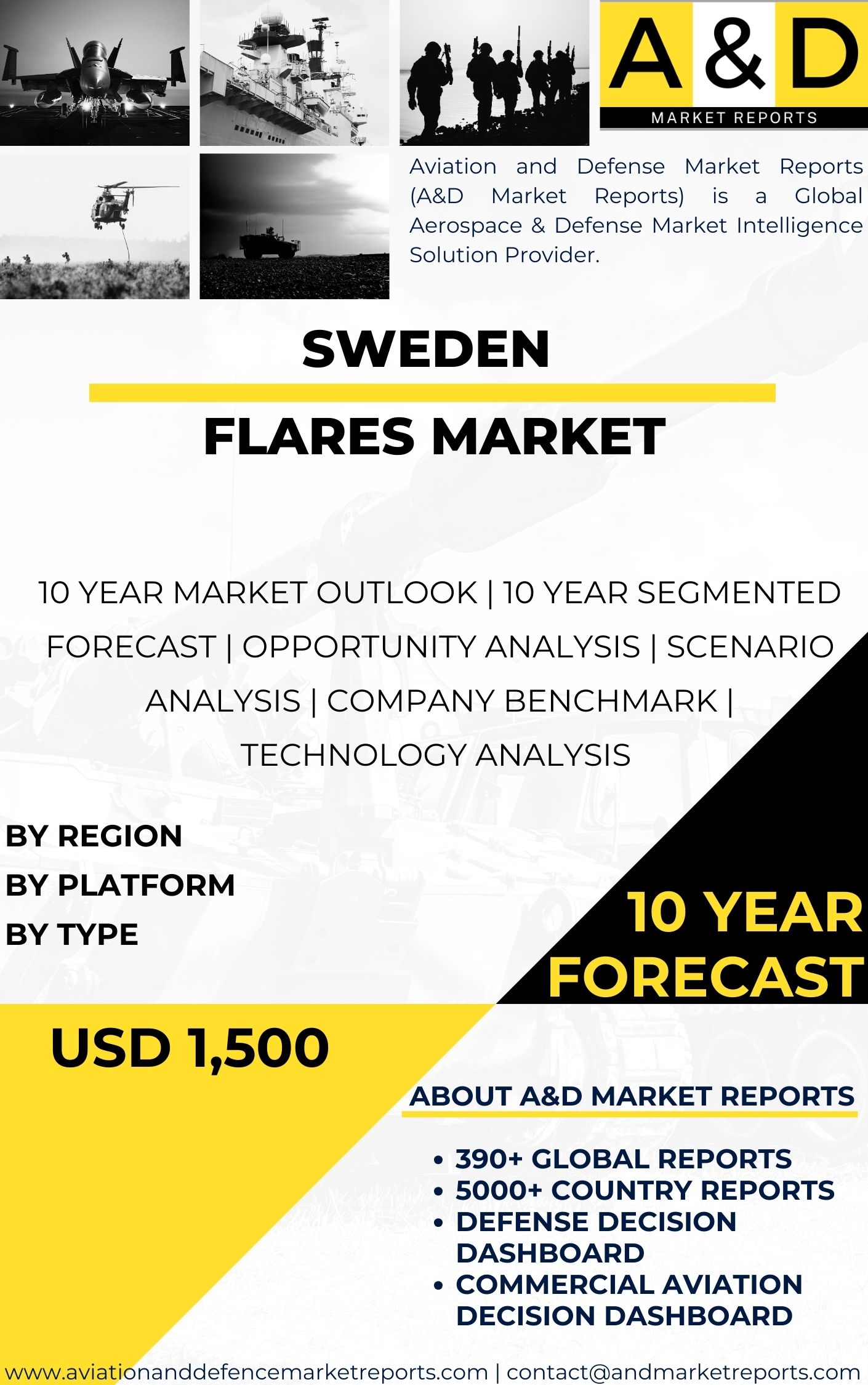
Flares Market in Sweden
The flares market in Sweden is a dynamic sector shaped by rising safety awareness, steady technological progress, and strong environmental priorities. Flares serve critical roles in distress signaling, defense countermeasures, and industrial safety. Sweden’s demanding climate and high safety standards drive demand for reliable flare solutions that perform consistently in harsh conditions.
Maritime Safety and Distress Signaling Demand
Sweden’s long coastline and active maritime sector strongly influence the flares market. Commercial shipping, fishing fleets, and recreational boating rely heavily on distress flares for emergency signaling. These devices help alert rescue teams quickly and support compliance with international maritime safety rules. Manufacturers focus on improving visibility, burn duration, and ease of use to meet strict safety expectations.
Defense Applications and Military Modernization
The defense sector plays a major role in shaping the flares market in Sweden. Decoy flares protect aircraft and naval vessels by misleading heat-seeking threats. Swedish defense modernization programs support steady demand for advanced countermeasure flares. New materials and infrared technologies improve effectiveness and survivability during military operations.
Industrial Safety and Process Flaring
Industrial activity adds another layer of demand to the flares market in Sweden. Energy facilities, refineries, and chemical plants use process flares to manage excess gases safely. These systems reduce operational risk and help control emissions. Modern flare systems now integrate sensors and remote monitoring to improve efficiency and regulatory compliance.
Environmental Regulations and Sustainability Focus
Environmental responsibility strongly shapes flare development in Sweden. Strict regulations encourage the use of cleaner flare compositions with lower emissions. Manufacturers invest in green flare technologies that produce less smoke and residue. This aligns with Sweden’s broader sustainability goals and public expectations.
Technology Integration and Smart Flare Systems
Technology plays a growing role in the Swedish flares market. GPS-enabled distress flares improve rescue accuracy and response time. Digital monitoring systems support real-time tracking and data reporting. These innovations enhance safety while helping users meet regulatory requirements more easily.
Commercial and Professional Use Cases
Beyond defense and maritime use, flares support commercial and professional activities. Aviation operators, private security firms, and emergency services use handheld and vehicle-mounted flares. The market favors products that are durable, simple to operate, and reliable in varied environments.
Competitive Landscape and Industry Collaboration
The flares market in Sweden includes both domestic manufacturers and global suppliers. Competition centers on product reliability, compliance, and innovation. Strategic partnerships support research, production efficiency, and market expansion. These collaborations help address Sweden’s specific safety and environmental needs.
Market Outlook and Growth Potential
Overall, the flares market in Sweden reflects strong demand across maritime, defense, industrial, and commercial sectors. Continuous innovation and strict regulations drive the adoption of advanced and eco-friendly solutions. The market shows steady growth potential as safety, technology, and sustainability remain national priorities.