
Description
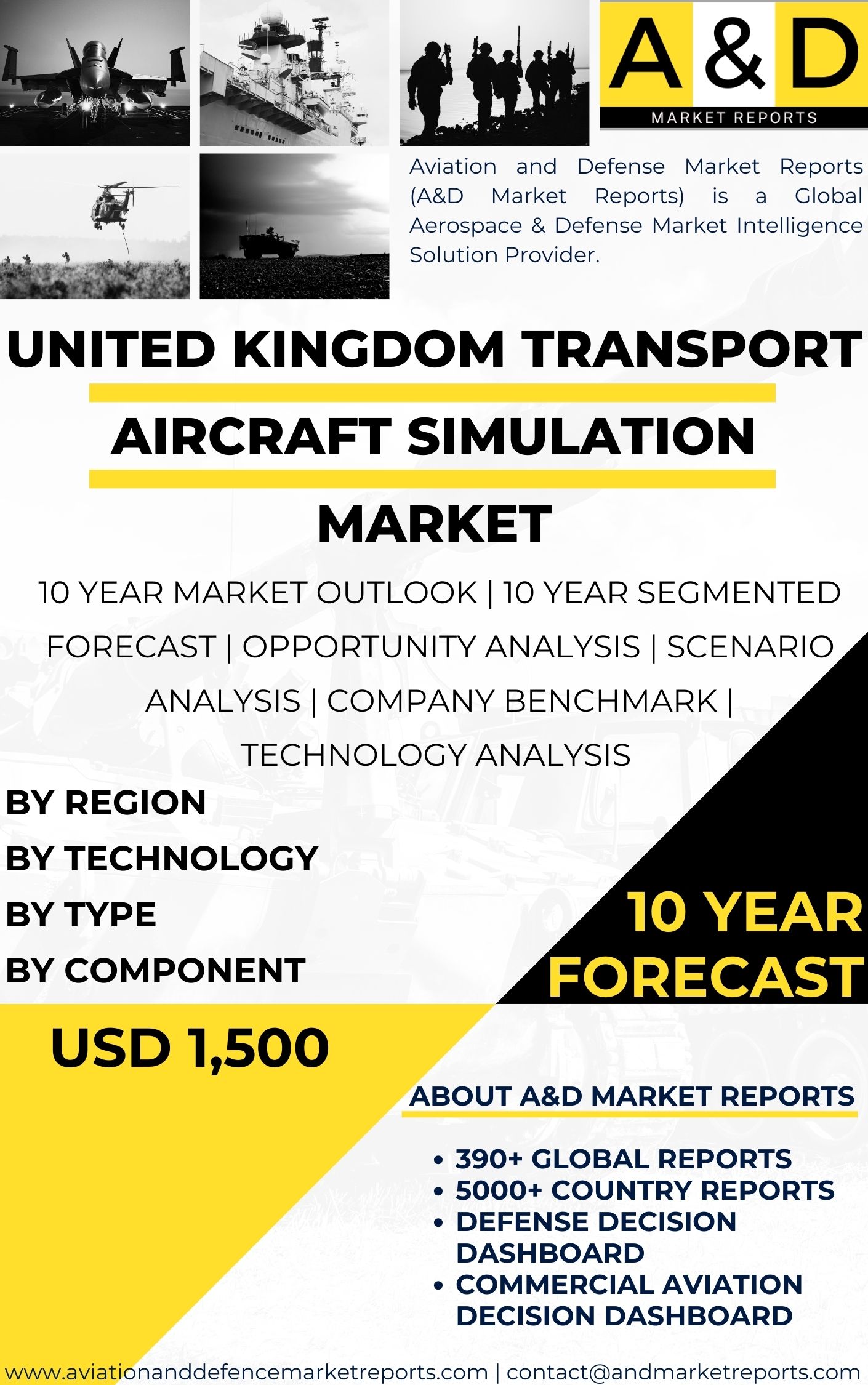
Transport Aircraft Simulation Market in the UK
Introduction to the Transport Aircraft Simulation Market in the UK
The transport aircraft simulation market in the UK is witnessing steady growth. This rise is driven by the increasing need for advanced pilot training and the strong focus on aviation safety. Modern simulators create realistic and risk-free environments for training. They allow pilots to practice routine procedures, emergency operations, and complex maneuvers. As commercial aviation and military operations expand, the market continues to gain momentum.
Growing Demand Driven by Aviation Regulations
The UK aviation industry follows strict regulations for pilot training. These rules require airlines and defense organizations to use simulation-based programs. As a result, training centers invest in full-flight simulators and advanced training devices. These solutions accurately mimic cockpit layouts, avionics systems, and aircraft behavior. High-quality visual graphics and precise motion systems help improve the overall training experience and safety standards.
Technology Advancements Shaping the Market
Technology plays a major role in the development of the UK’s transport aircraft simulation market. VR, AR, and AI technologies make training more interactive and adaptable. These tools create real-world scenarios such as bad weather, system failures, or emergency situations. Cloud-based simulation systems are also becoming popular. They offer flexible access, reduce infrastructure expenses, and provide scalable training solutions.
Simulation Solutions for Commercial and Military Needs
The transport aircraft simulation market in the UK serves both commercial and military requirements. Airlines depend on simulators to train pilots for passenger and cargo operations. Military training programs use specialized simulators designed for tactical missions. These systems support training for troop transport, airlift operations, and navigation in difficult or contested environments. They also help enhance mission readiness and coordination with ground teams.
Cost Efficiency and Environmental Benefits
Simulation-based training offers significant cost benefits. It reduces the number of hours needed in actual aircraft, which lowers fuel usage and maintenance expenses. This approach minimizes environmental impact and supports sustainability goals. Pilots can repeat training sessions as needed, helping them build confidence before real-world missions. In a time of rising fuel costs and strict environmental rules, simulators provide a valuable training alternative.
Industry Collaboration and Competitive Growth
The UK is home to several leading aerospace companies and pilot training centers. These organizations work closely with simulation technology providers. Their goal is to ensure every simulator matches the latest aircraft models and stays compliant with changing aviation standards. The competitive market landscape encourages innovation, customization, and strong partnerships between airlines, defense forces, and training schools.
Challenges in the Transport Aircraft Simulation Market
Despite strong growth, the market faces a few challenges. The initial investment for high-end simulators is substantial. Smaller training centers may find these costs difficult to manage. Maintenance, software updates, and technology upgrades add to the long-term expenses. However, the rising demand among large airlines and government agencies helps balance these challenges. The market continues to adapt to advancements in aviation systems and safety regulations.
Future Outlook for the UK Transport Aircraft Simulation Market
The future of the transport aircraft simulation market in the UK looks highly promising. Growth will be driven by digital innovation, immersive training tools, and AI-based analytics. Cloud technology will expand remote training opportunities and reduce operational costs. These advancements will improve training accuracy, efficiency, and overall pilot performance. The UK’s strong commitment to aviation safety and technology adoption ensures a positive long-term trajectory.
Conclusion
The transport aircraft simulation market in the UK is set for significant growth. It supports both commercial airlines and military aviation with reliable and advanced training solutions. By combining safety, efficiency, and cutting-edge technology, the simulation ecosystem helps prepare a skilled and confident pilot workforce. This market will continue to play a crucial role in maintaining the high standards required for current and future aviation challenges.