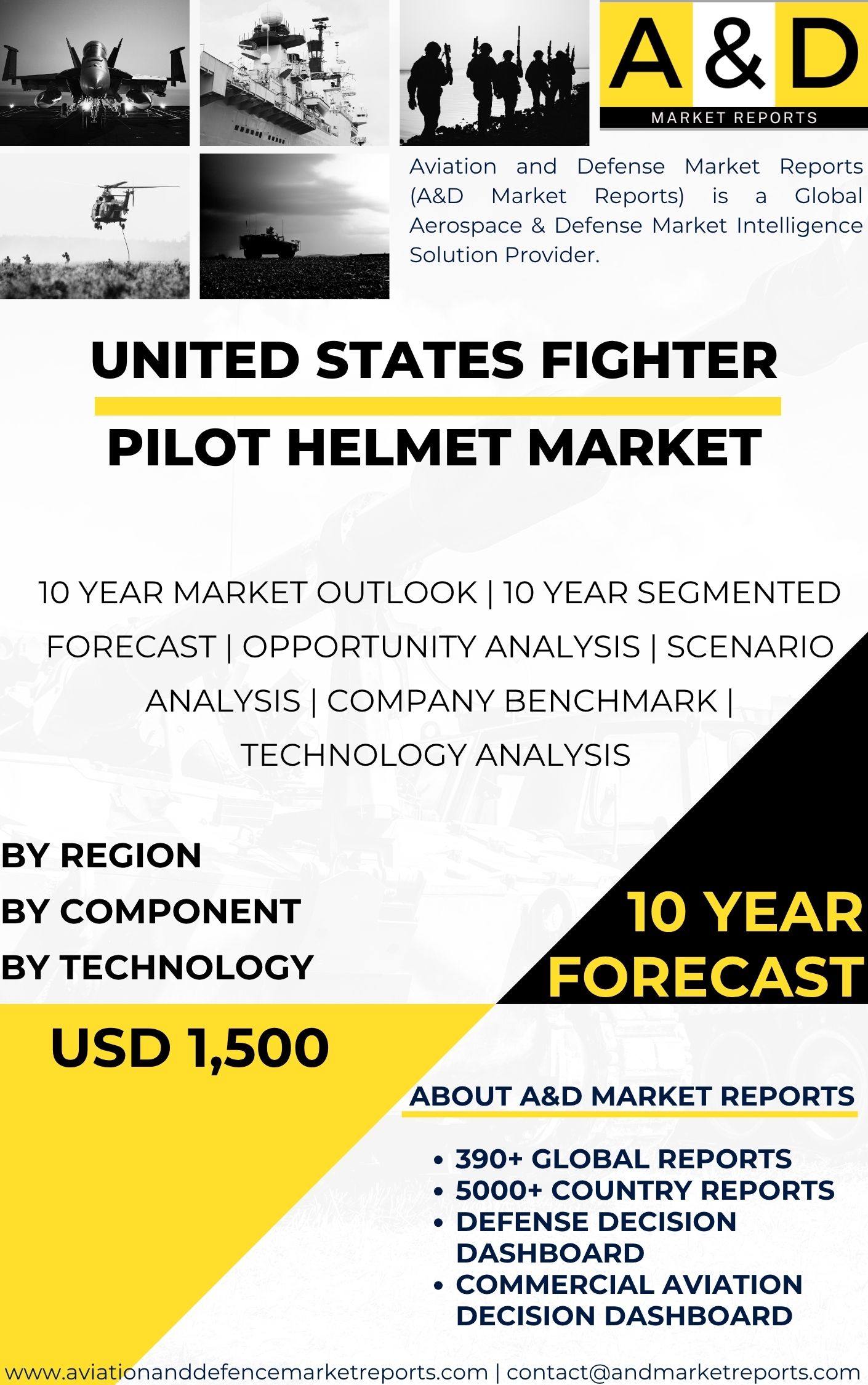
United States Fighter Pilot Helmet Market

$1,500.00

Enquire Now

The fighter pilot helmet market in the United States is distinguished by its concentration of advanced technology, mission-critical systems, and precise engineering to meet the unique demands of pilots operating in high-speed, high-risk environments. These helmets have evolved far beyond protective equipment and represent vital components of an integrated cockpit system. Historically, pilot helmets served primarily to safeguard against head injury and accommodate communications gear, but modern versions now carry sophisticated displays that project flight information directly into the pilot?s line of sight. This innovation allows the shortening of reaction times and improved situational awareness during complex aerial missions. The U.S. market has been at the forefront of such advancements, driven by the country?s strong investment in aerospace research and major defense programs involving next-generation fighter jets. Helmet-mounted displays, integrated oxygen masks, and ergonomic designs are central features, with manufacturers competing to reduce weight without compromising capability. Another defining factor of this market is the interplay between pilots? natural physiological limits and technological enhancements, leading to helmets that incorporate comfort, balance, and reduced strain, especially during sustained high-g maneuvers. Communication integration with secure encrypted channels, compatibility with augmented reality functions, and adaptability to night and thermal vision systems further increase their operational scope

Go To Global Report Page Track this market real time on DDD

Description

United States Fighter Pilot Helmet Market Overview

United States Fighter Pilot Helmet Market plays a major role in modern aerospace and defense operations. Fighter pilot helmets have evolved from basic protective gear into advanced combat systems that improve pilot awareness, communication, and mission performance. These helmets now function as extensions of the aircraft cockpit by displaying critical flight and targeting data directly in the pilot’s field of view. This capability helps pilots react faster during high-speed combat missions and improves operational efficiency in demanding environments.

United States Fighter Pilot Helmet Market Growth Drivers

United States Fighter Pilot Helmet Market continues to expand because the country invests heavily in next-generation fighter aircraft and air superiority programs. Modern helmets include helmet-mounted displays, integrated oxygen systems, secure communication tools, and compatibility with night vision and thermal imaging devices. Manufacturers focus on reducing helmet weight while maintaining durability and advanced functionality. Lightweight materials and ergonomic designs help reduce neck strain during long missions and high-g maneuvers.

United States Fighter Pilot Helmet Market Technology Trends

United States Fighter Pilot Helmet Market benefits from rapid advances in aerospace technology. Advanced helmets support augmented reality features, data fusion, and real-time targeting systems. These capabilities allow pilots to track threats, monitor aircraft systems, and engage targets more effectively. In addition, encrypted communication systems improve coordination between aircraft, command centers, and allied forces during operations.

Market Competitive Landscape

United States Fighter Pilot Helmet Market includes major aerospace companies, defense contractors, optics specialists, and material engineering firms. Research programs continue to improve display clarity, sensor integration, and pilot comfort. These developments also support related industries such as advanced optics, wearable electronics, and human performance technologies.

Market Defense Applications

United States Fighter Pilot Helmet Market receives strong support from military modernization programs. The United States Air Force and Navy continue to upgrade fighter fleets with advanced helmet systems that support network-centric warfare and manned-unmanned teaming operations. Manufacturers also work on integrating artificial intelligence features that can assist pilots with threat analysis and decision-making during combat.

United States Fighter Pilot Helmet Market Future Outlook

United States Fighter Pilot Helmet Market is expected to witness continued innovation in smaller display systems, enhanced situational awareness tools, improved thermal imaging, and stronger connectivity with aircraft sensors. Companies are also developing helmets with smarter data processing capabilities to support future combat aircraft and multi-domain operations. As air combat becomes more data-driven and technologically advanced, fighter pilot helmets will remain essential for pilot safety, mission effectiveness, and battlefield superiority.
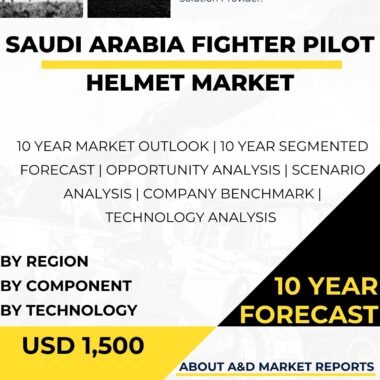
Table of content

Table Of Contents

1 Market Introduction

1.1 Market Introduction
1.2 Market Definition
1.3 Market Segmentation
1.4 10 Year Market Outlook

2 Market Technologies

3 Global Market Forecast

3.1 Global Market Forecast
3.2 By Technology
3.3 By Component

4 North America Market Trends & Forecast

4.1 Drivers, Restraints And Challenges
4.2 PEST
4.3 Market Forecast
4.3.1 Market Forecast By Technology
4.3.2 Market Forecast By Component
4.4 Scenario Analysis
4.5 Key Companies& Profiling

5 US Analysis

5.1 Current Levels Of Technology Maturation In This Market
5.2 Market Forecast
5.2.1 Market Forecast By Component
5.2.2 Market Forecast By Technology
5.3 Scenario Analysis
5.4 Country Defense Budget (Historical and 10- year forecast)
5.5 Defense Budget Category Spending- 10- year forecast
5.6 Procurement Analysis
5.7 EXIM Data
5.8 Patents

6 Opportunity Matrix

6.1 By Technology
6.2 By Component

7 Scenario Analysis

7.1 Scenario 1

7.1.1 By Technology (Scenario-1)
7.1.2 By Component (Scenario-1)

7.2 Scenario 2

7.2.1 By Technology (Scenario-2)
7.2.2 By Component (Scenario-2)

8 Company Benchmark

9 Strategic Conclusions

10 About Aviation And Defense Market Reports

Segments

By Component
By Technology

List of Tables

Table1: Global Market Forecast, Fighter Pilot Helmet Market
Table2: North America Market Forecast, Fighter Pilot Helmet Market
Table3: North America Market Forecast, By Component
Table4: North America Market Forecast, By Technology
Table5: North America, Scenario Analysis
Table6: United States Market Forecast, Fighter Pilot Helmet Market
Table7: United States Market Forecast, By Component
Table8: United States Market Forecast, By Technology
Table9: United States, Scenario Analysis
Table 10: United States Defense Budget 10 Year Forecast
Table 11: United States, Defense Budget Category Spending- 10- year forecast
Table 12: United States, Procurement Analysis
Table 13: United States, EXIM Data Analysis
Table 14: United States, Opportunity Analysis, By Component
Table 15: United States, Opportunity Analysis, By Technology
Table 16: United States, Scenario Analysis, By Component
Table 17: United States, Scenario Analysis, By Technology

List of Figures

Figure 1: Market Segmentation, United States Fighter Pilot Helmet Market
Figure 2: Key Technology Analysis, Fighter Pilot Helmet Market
Figure 3: Global Market Forecast, Fighter Pilot Helmet Market
Figure 4: North America, Market Forecast, Fighter Pilot Helmet Market
Figure 5: North America, Market Forecast, By Component
Figure 6: North America, Market Forecast, By Technology
Figure 7: North America, Scenario Analysis
Figure 8: United States, Market Forecast, Fighter Pilot Helmet Market
Figure 9: United States, Market Forecast, By Component
Figure 10: United States, Market Forecast, By Technology
Figure 11: United States, Scenario Analysis
Figure 12: United States, Defense Budget 10 Year Forecast
Figure 13: United States, Defense Budget Category Spending- 10- year forecast
Figure 14: United States, Procurement Analysis
Figure 15: United States, EXIM Data Analysis
Figure 16: United States, Opportunity Analysis, By Component
Figure 17: United States, Opportunity Analysis, By Technology
Figure 18: United States, Scenario Analysis, By Component
Figure 19: United States, Scenario Analysis, By Technology
Figure 20: Company Benchmark