
Description
Introduction to the U.S. Landing Gear Market
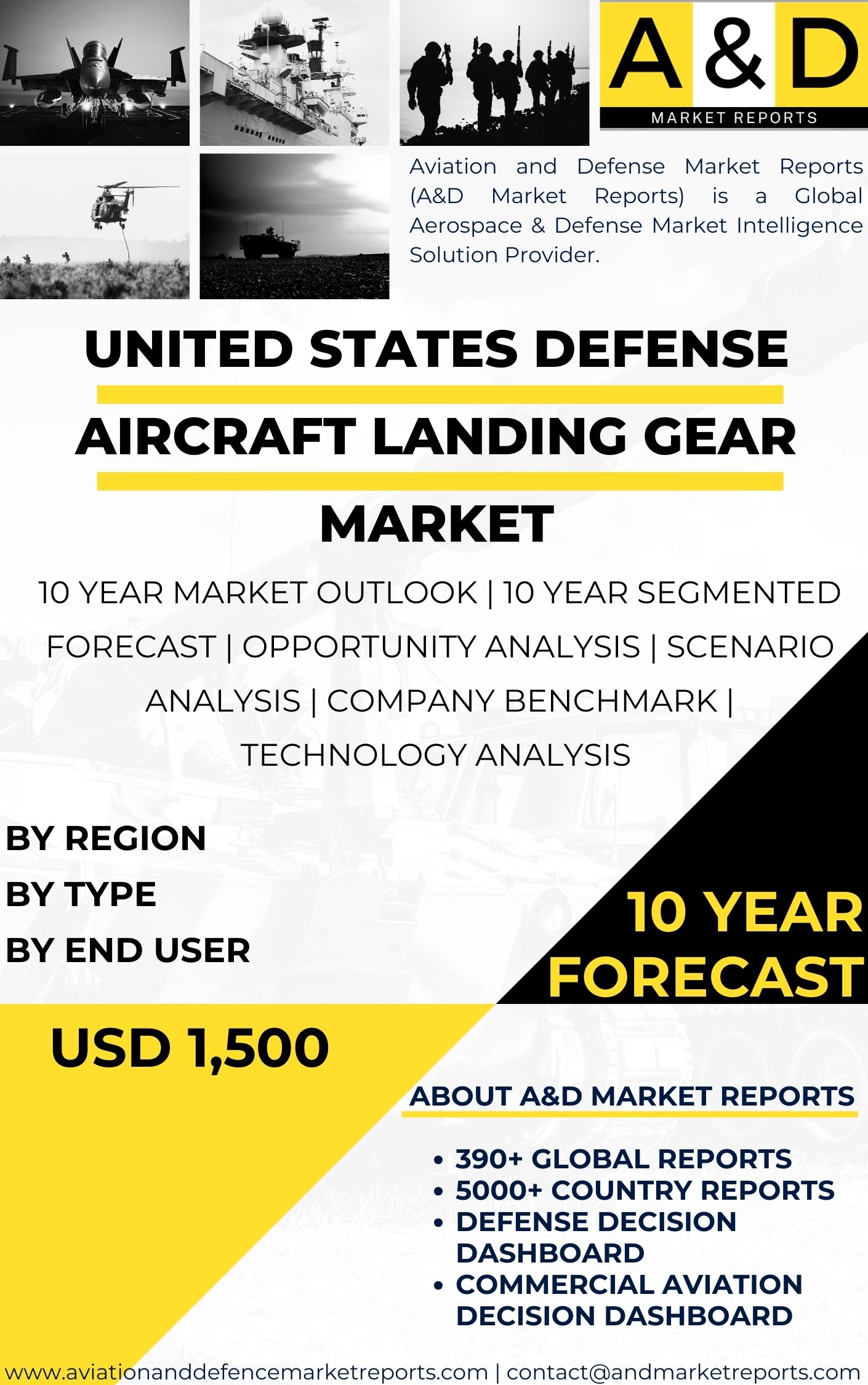
The United States landing gear market represents a highly important segment of the aerospace and defense industry. Landing gear systems are essential components installed on aircraft to support safe takeoff, landing, and ground operations. These systems help maintain aircraft stability and structural balance during critical flight phases. As military and commercial aviation sectors continue to expand and modernize, the demand for reliable and technologically advanced landing gear systems is increasing significantly across the country. The market continues to grow due to rising aircraft production, modernization programs, and increasing investments in aerospace innovation. Advanced landing gear technologies are becoming increasingly important for improving aircraft safety, efficiency, and operational performance in both defense and commercial aviation applications.
Importance of Landing Gear Systems
Landing gear systems are among the most important structural systems in an aircraft because they directly support aircraft operations on the ground. These systems absorb the massive impact forces generated during landing and help ensure safe aircraft movement during taxiing and takeoff. Properly functioning landing gear systems improve flight safety, passenger protection, and operational reliability. They also contribute to better aircraft stability in difficult weather conditions and on uneven runways. Modern landing gear systems are designed with advanced shock absorption, braking, and steering technologies to improve overall aircraft performance. The aviation industry places strong emphasis on landing gear reliability because any failure can lead to severe operational and safety consequences. As a result, manufacturers continue investing heavily in stronger, lighter, and more efficient landing gear technologies.
Growth Drivers in the U.S. Market
Several major factors are driving the growth of the U.S. landing gear market. Increasing global air travel demand has encouraged airlines to expand their fleets and purchase new aircraft equipped with advanced landing gear systems. Military modernization programs are also contributing significantly to market growth as defense organizations upgrade older aircraft with modern technologies. In addition, aircraft manufacturers are focusing on improving fuel efficiency and reducing operational costs through lightweight aircraft components. Landing gear manufacturers are therefore developing systems using advanced alloys and composite materials that reduce aircraft weight while maintaining high strength and durability. Rapid advancements in aerospace engineering and manufacturing technologies are further supporting innovation within the landing gear industry. These factors collectively create strong long-term growth opportunities for the U.S. landing gear market.
Role of the U.S. Military
The United States military remains one of the largest users and developers of advanced landing gear systems. Military aircraft such as fighter jets, transport aircraft, surveillance platforms, helicopters, and unmanned aerial vehicles all depend on highly durable landing gear technologies. These aircraft often operate in extreme environments, including rough runways, aircraft carriers, desert regions, and combat zones. Because of these demanding conditions, military landing gear systems must provide exceptional reliability, strength, and operational performance. The U.S. Department of Defense continuously invests in research and development programs to improve landing gear durability, shock absorption, and maintenance efficiency. Advanced landing gear systems also help improve mission readiness by reducing aircraft downtime and supporting rapid deployment capabilities. Military modernization programs continue to create strong demand for innovative landing gear technologies across the defense sector.
Technological Advancements in Landing Gear
Technological advancements are transforming the landing gear market and improving aircraft operational efficiency. Manufacturers are increasingly using lightweight materials such as titanium alloys, aluminum-lithium alloys, and composite structures to reduce aircraft weight and fuel consumption. Advanced digital monitoring systems are also being integrated into landing gear systems to monitor wear, stress, and performance in real time. These smart technologies help maintenance crews identify problems early and reduce unexpected equipment failures. Improved braking systems, steering controls, and hydraulic technologies are enhancing aircraft maneuverability and safety during ground operations. Modern manufacturing techniques, including additive manufacturing and precision engineering, are also helping companies produce stronger and more efficient landing gear components. Continuous innovation remains essential as aerospace companies strive to meet evolving aviation requirements and safety standards.
Commercial Aviation Demand
The commercial aviation sector is a major contributor to the growth of the U.S. landing gear market. Airlines require durable and highly reliable landing gear systems capable of handling thousands of takeoffs and landings over an aircraft’s operational lifetime. Growing passenger traffic and expanding airline fleets are increasing demand for new commercial aircraft equipped with advanced landing gear technologies. Airlines are also focusing on improving operational efficiency, reducing fuel consumption, and lowering maintenance expenses. Lightweight landing gear systems help airlines achieve these goals by reducing aircraft weight and improving fuel efficiency. In addition, modern landing gear systems improve passenger comfort by providing smoother landings and better ground stability. Aircraft manufacturers and airlines continue to work closely with landing gear suppliers to develop systems that improve both safety and economic performance in commercial aviation operations.
Influence of UAVs and Autonomous Aircraft
The rapid growth of unmanned aerial vehicles and autonomous aircraft is creating new opportunities within the landing gear market. Defense organizations, logistics companies, and commercial operators increasingly rely on drones for surveillance, cargo delivery, reconnaissance, and intelligence missions. These aircraft require landing gear systems specifically designed for smaller platforms and unique operational environments. Manufacturers are developing compact, lightweight, and adaptable landing gear solutions that support different UAV configurations and mission requirements. Autonomous aircraft technologies are also driving innovation in smart landing systems capable of supporting automated takeoff and landing operations. As drone technology continues to evolve, the demand for specialized landing gear systems is expected to increase significantly. This emerging segment represents an important future growth area for the aerospace and defense industry.
Competitive Landscape
The U.S. landing gear market is highly competitive and driven by continuous technological innovation. Major aerospace and defense companies compete aggressively to secure contracts from military organizations, airlines, and aircraft manufacturers. Companies invest heavily in research and development to improve product reliability, operational efficiency, and safety performance. Manufacturers also focus on developing customized landing gear solutions for different aircraft categories and mission profiles. Strategic partnerships and collaborations between aerospace companies, research institutions, and defense organizations play a key role in accelerating technological development. Global competition has encouraged companies to improve manufacturing capabilities and adopt advanced engineering techniques. The competitive environment continues to push innovation and supports the development of next-generation landing gear technologies.
Sustainability and Environmental Focus
Environmental sustainability has become an increasingly important priority within the aerospace industry. Aircraft manufacturers and airlines are under growing pressure to reduce fuel consumption, carbon emissions, and environmental impact. Landing gear manufacturers contribute to these efforts by developing lighter and more energy-efficient systems. Advanced materials and environmentally friendly manufacturing processes help reduce waste and improve sustainability throughout the production cycle. Lightweight landing gear systems also improve overall aircraft efficiency by reducing total aircraft mass and lowering fuel usage. In addition, companies are exploring recyclable materials and cleaner production technologies to meet future environmental regulations. Sustainability initiatives are expected to play an even larger role in shaping future aerospace engineering and landing gear development strategies.
Impact of Global Trade and Supply Chains
Global trade conditions and supply chain stability strongly influence the U.S. landing gear market. Aerospace manufacturing depends on a large international network of suppliers providing metals, electronics, hydraulic systems, and precision components. Tariffs, export restrictions, geopolitical tensions, and raw material shortages can disrupt production schedules and increase manufacturing costs. Aerospace companies must carefully manage supply chains to maintain steady production and avoid operational delays. Many manufacturers are diversifying suppliers and increasing domestic production capabilities to reduce dependence on international supply networks. Effective supply chain management has become increasingly important as the aerospace industry faces rising global economic uncertainties and market competition.
Government Support and Defense Spending
Government investment remains a major factor supporting the growth of the U.S. landing gear market. The U.S. government continues to allocate significant funding toward military modernization, aerospace innovation, and defense procurement programs. These investments support domestic manufacturers and encourage the development of advanced landing gear systems for military aircraft. Defense contracts provide stable revenue opportunities for aerospace companies and promote long-term industry growth. Government-funded research programs also support innovation in materials science, digital monitoring technologies, and aircraft safety systems. Continued defense spending ensures that the United States maintains advanced aerospace capabilities and technological superiority in military aviation.
Collaboration and Industry Partnerships
Partnerships and collaborations play a major role in advancing landing gear technology within the United States aerospace sector. Aerospace companies frequently collaborate with aircraft manufacturers, defense contractors, universities, and research organizations to accelerate innovation and product development. These partnerships allow companies to share expertise, reduce development costs, and improve engineering efficiency. International collaborations also help U.S. manufacturers expand into global markets and strengthen their competitive position within the aerospace industry. Joint development programs often lead to faster adoption of advanced manufacturing techniques and improved landing gear technologies. Strong industry cooperation continues to support long-term technological progress across the aerospace sector.
Future Outlook of the Market
The future outlook for the U.S. landing gear market remains highly positive due to continued growth in global aviation and ongoing military modernization programs. Demand for advanced landing gear systems is expected to rise steadily across commercial aviation, defense aviation, and unmanned aircraft sectors. Future technologies will likely focus on lightweight structures, predictive maintenance systems, digital monitoring capabilities, and environmentally sustainable materials. Advancements in automation and artificial intelligence may also improve landing gear diagnostics and operational safety. Aerospace manufacturers are expected to continue investing heavily in research and innovation to meet future aviation requirements. The market is well-positioned for long-term growth as global demand for safe, efficient, and technologically advanced aircraft continues to increase.
Conclusion
The United States landing gear market plays a vital role in supporting military and commercial aviation operations. Landing gear systems ensure aircraft safety, stability, and operational efficiency during takeoff, landing, and ground movement. Continuous technological advancements are helping manufacturers develop stronger, lighter, and smarter landing gear systems capable of meeting modern aerospace challenges. The market benefits from strong government support, increasing aircraft demand, and ongoing investments in aerospace innovation. As aviation technology continues to evolve, landing gear manufacturers will remain critical contributors to aircraft performance, safety, and mission success. The future of the industry will be shaped by innovation, sustainability, and the growing demand for advanced aerospace solutions.