
Description
Introduction to the United States Ship Simulator Market
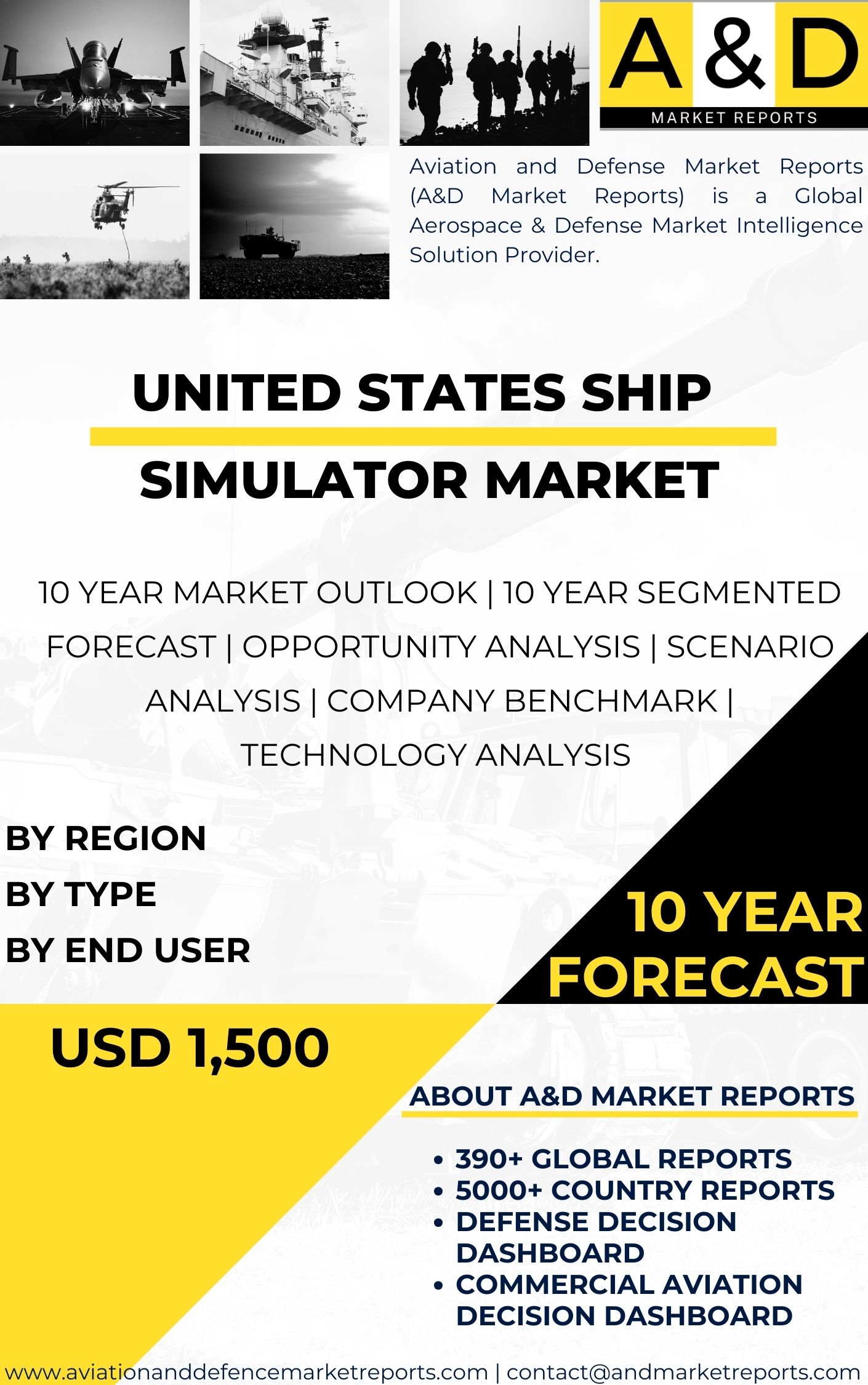
The United States Ship Simulator Market plays a vital role in strengthening maritime operations across commercial shipping, naval defense, and offshore industries. It supports the training of ship crews by replicating real-world navigation and operational scenarios in a controlled environment. These simulators help improve safety at sea by allowing trainees to practice ship handling, navigation, and emergency procedures without real-world risks. In addition, they enhance operational efficiency by reducing training costs and improving crew readiness for complex maritime situations.
Key Users and Market Demand
The U.S. Ship Simulator Market serves a diverse group of users, including commercial shipping companies, naval forces, maritime academies, port authorities, and offshore operators. Demand continues to grow as the maritime industry places greater emphasis on safety, efficiency, and skill development. Companies invest heavily in simulator training to reduce accidents and improve crew performance. Furthermore, increasing global trade and maritime traffic have made advanced training solutions more important than ever.
Maritime Safety and Accident Prevention
One of the main drivers of ship simulator adoption is the focus on maritime safety and accident prevention. Simulators allow crew members to practice navigation, collision avoidance, and vessel control in a risk-free environment. As a result, trainees develop better decision-making skills and situational awareness. In addition, repeated simulation training reduces human error, which is a major cause of maritime accidents. This ultimately improves overall safety standards in the industry.
Training in Realistic Maritime Conditions
Ship simulators allow crews to experience highly realistic maritime conditions such as storms, heavy traffic zones, and narrow waterways. These controlled environments help seafarers prepare for real-life challenges without endangering vessels or lives. Moreover, trainees can repeat difficult scenarios multiple times to build confidence and competence. This type of immersive training ensures better preparedness for unpredictable sea conditions.
Compliance with International Maritime Regulations
Ship simulators play a key role in meeting international training standards such as the STCW (Standards of Training, Certification, and Watchkeeping for Seafarers). These regulations require structured training programs and assessments for certification. Simulators help training institutions deliver standardized and approved learning experiences. In addition, they ensure that seafarers meet global competency requirements before working on commercial vessels.
Marine Pilot Training Applications
Marine pilots use ship simulators extensively for training in complex port environments. These professionals guide large vessels through narrow channels, busy ports, and challenging coastal waters. Simulators allow pilots to study specific port layouts, tides, currents, and environmental conditions in detail. As a result, they can improve precision and reduce the risk of accidents during real pilotage operations.
Naval Training and Defense Applications
The United States Navy uses ship simulators to train personnel for navigation, combat scenarios, and emergency response operations. These systems replicate different classes of naval vessels and mission profiles. This allows sailors to gain experience across multiple operational environments before deployment. In addition, simulation training improves coordination, tactical awareness, and mission readiness.
Cost Efficiency and Operational Benefits
Ship simulators provide significant cost savings compared to traditional onboard training. Real vessel training requires fuel, maintenance, crew time, and operational risks, all of which increase costs. Simulators eliminate many of these expenses while still providing realistic training experiences. Furthermore, they allow repeated practice of complex scenarios without additional operational costs, making training more efficient and scalable.
Advancements in Simulation Technology
Modern ship simulators use advanced visualization, motion systems, and hydrodynamic modeling to replicate real vessel behavior. These technologies create highly immersive training environments that closely match real-world operations. In addition, improvements in graphics and computing power have significantly increased realism. This helps trainees better understand ship handling dynamics and environmental interactions.
Integrated Simulation Systems
Ship simulators are increasingly integrated with other maritime systems such as engine room simulators and vessel traffic management systems (VTMS). This integration creates a complete training ecosystem that replicates full ship operations. Moreover, it enables teamwork-based training where different departments coordinate during simulated missions. This improves communication and operational efficiency across ship crews.
Market Players and Industry Competition
The U.S. Ship Simulator Market is highly competitive, with both domestic and international companies offering advanced solutions. Major providers include Kongsberg, VSTEP, Transas, and Rheinmetall, among others. These companies focus on developing high-fidelity simulation platforms tailored to specific training needs. In addition, continuous innovation drives competition and improves overall market quality.
Role of Military and Government Training Centers
The U.S. Navy and Coast Guard operate dedicated simulation centers for maritime training and readiness. These facilities provide advanced training environments for navigation, combat operations, and emergency response. In addition, they complement commercial simulator providers by offering specialized military-focused training. This ensures personnel are fully prepared for real-world missions.
Emerging Technologies: VR and AR Integration
Virtual reality (VR) and augmented reality (AR) technologies are transforming ship simulator training. These tools create highly immersive environments where trainees can interact with virtual ships and equipment. As a result, training becomes more engaging and realistic. Furthermore, AR and VR reduce the learning curve for complex maritime operations.
Cloud-Based Simulation Systems
Cloud-based ship simulators are becoming increasingly popular in the maritime industry. They allow remote access to simulation training without requiring large physical infrastructure. This makes training more flexible and cost-effective for institutions and companies. In addition, cloud systems enable centralized updates and easier scalability of training programs.
Market Challenges
Despite strong growth, the ship simulator market faces challenges such as high initial setup costs. Advanced simulation systems require significant investment in hardware and software. However, flexible pricing models such as leasing and subscription-based access are helping reduce this barrier. In addition, maintaining system accuracy and realism requires continuous upgrades and development.
Regulatory Influence and Standards
The ship simulator market is strongly influenced by international regulations from organizations like the International Maritime Organization (IMO). These standards define training requirements and ensure simulator-based education meets global expectations. As regulations evolve, simulator developers must continuously update their systems. This ensures compliance and maintains training effectiveness across the industry.
Conclusion
The United States Ship Simulator Market plays a crucial role in improving maritime safety, training efficiency, and operational readiness. It supports a wide range of users, including commercial shipping companies, naval forces, and training institutions. Moreover, advancements in technology such as VR, AR, and cloud computing are driving innovation in simulation systems. Despite challenges like high costs, the market continues to grow due to strong demand for safer and more efficient maritime training solutions.