
Description
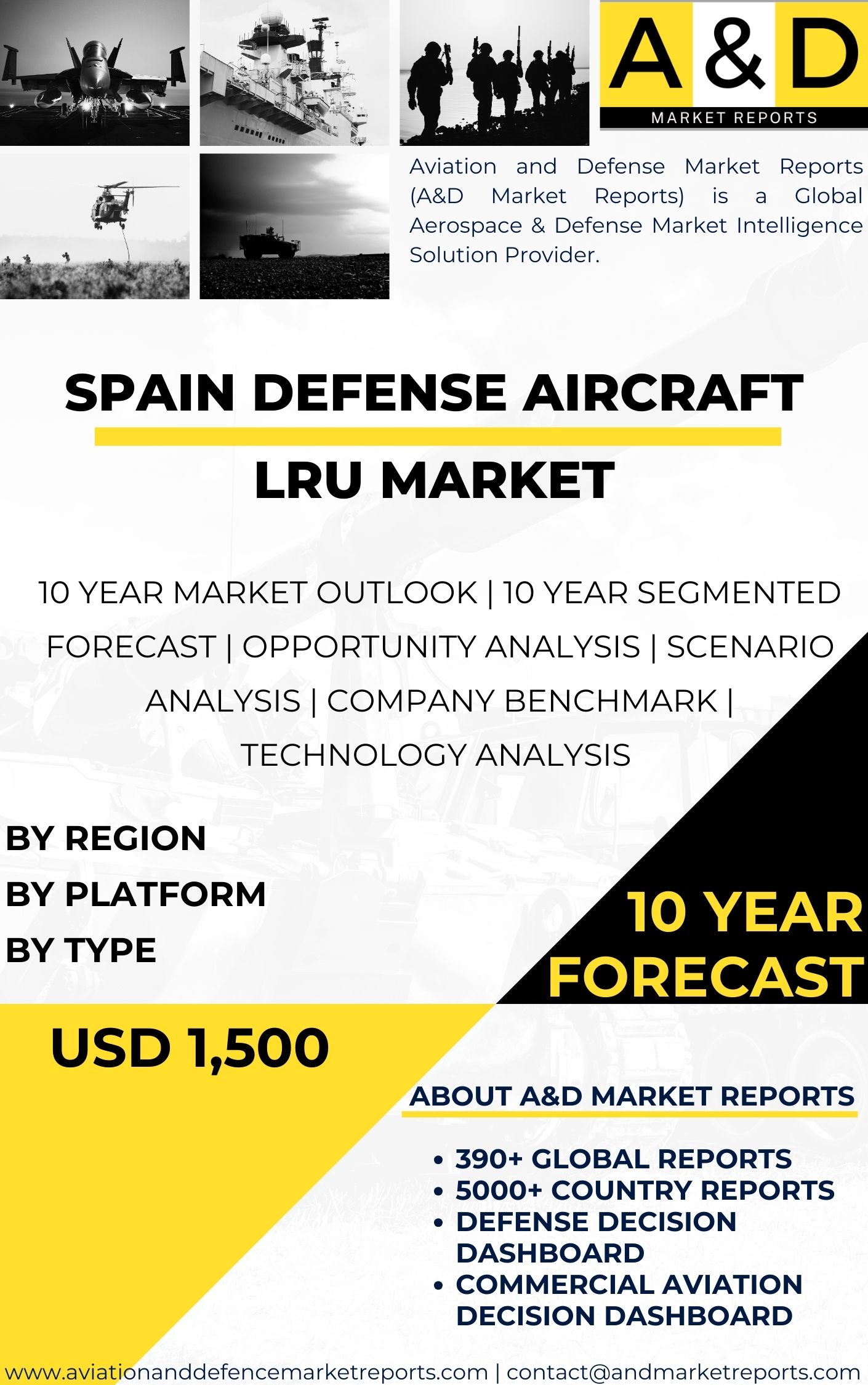
Overview of Spain Defense Aircraft LRU Market
The defense aircraft Line Replaceable Unit (LRU) market in Spain is a highly specialized segment of the aerospace and defense industry. LRUs are modular aircraft components designed for quick replacement during maintenance to minimize downtime and ensure high operational availability. These systems are essential for maintaining the readiness, reliability, and performance of military aircraft. Spain’s strong aerospace ecosystem supports the development, integration, and maintenance of advanced LRU systems for both domestic and international defense platforms. The market continues to grow as modern aircraft become more complex and dependent on modular electronic and mechanical systems.
Key Drivers of Market Growth
The growth of the LRU market in Spain is driven by the increasing need for faster aircraft maintenance, improved operational readiness, and reduced lifecycle costs. Modern military operations require aircraft to be mission-ready at all times, making quick replacement of faulty components essential. In addition, rising complexity in avionics, radar systems, and flight control technologies has increased the demand for modular LRU-based architectures. Spain also focuses on improving cost efficiency and reducing aircraft downtime across its defense aviation fleet.
Role of LRUs in Aircraft Systems
LRUs are critical building blocks of military aircraft systems, covering avionics, navigation, radar, communication, and flight control modules. These units allow maintenance teams to replace defective components quickly without dismantling entire systems. This modular structure improves efficiency, simplifies maintenance procedures, and ensures faster aircraft turnaround times. As a result, LRUs play a key role in sustaining continuous operational capability in defense aviation missions.
Domestic Defense and Aerospace Industry Role
Spain’s defense and aerospace industry plays a central role in the development and support of aircraft LRUs. Major players such as Airbus Defence and Space and Indra Sistemas contribute significantly to LRU design, production, and maintenance. These companies support both domestic military aviation programs and international aircraft platforms, strengthening Spain’s position in the global aerospace supply chain.
Maintenance Efficiency and Operational Readiness
One of the most important advantages of LRUs is their ability to reduce aircraft downtime during maintenance. Faulty units can be quickly replaced, allowing aircraft to return to service in minimal time. This improves fleet availability and ensures continuous mission readiness for the armed forces. In military operations, where timing and readiness are critical, LRUs significantly enhance operational efficiency and reliability.
Cost Optimization and Lifecycle Benefits
LRUs contribute to reducing the overall lifecycle cost of military aircraft by enabling targeted replacement instead of full system repairs. This modular approach minimizes maintenance expenses and extends the operational life of aircraft platforms. It also reduces spare part inventory complexity, making logistics and maintenance planning more efficient. Spain benefits from these cost savings, especially in long-term defense aviation programs.
Aircraft Platforms and Modernization Programs
Spain’s military aircraft programs, including platforms like the Eurofighter Typhoon, rely heavily on advanced LRU systems. These aircraft integrate multiple LRUs for avionics, radar, communication, and flight control functions. LRUs also support modernization programs by allowing easy integration of upgraded technologies without requiring complete aircraft redesign. This ensures that Spain’s air force remains technologically competitive and mission-ready.
Research, Development, and Technological Innovation
Continuous research and development are essential for improving LRU performance, reliability, and durability. Spain’s defense sector invests in advanced electronics, lightweight materials, and smart diagnostics to enhance LRU capabilities. Innovation in predictive maintenance and digital monitoring is also improving the efficiency of LRU systems. Collaboration between industry and research institutions supports ongoing technological advancement.
Budget, Regulation, and Sustainability Factors
Budget allocation plays a major role in shaping the development and procurement of LRUs in Spain’s defense sector. Economic conditions influence investment in aerospace maintenance and modernization programs. Spain also follows strict international defense regulations and export control policies to ensure compliance and interoperability with allied forces. Sustainability is becoming increasingly important, with a focus on eco-friendly materials and energy-efficient manufacturing processes.
Future Outlook of Spain Defense Aircraft LRU Market
The future of the LRU market in Spain is strong due to increasing aircraft complexity, modernization programs, and the need for efficient maintenance solutions. Growth will be driven by digital maintenance systems, predictive analytics, and advanced modular designs. Integration with smart diagnostics and AI-based monitoring will further improve performance and reduce downtime. Overall, LRUs will remain a critical component of Spain’s aerospace defense strategy, ensuring high readiness, efficiency, and long-term operational sustainability.