
Description
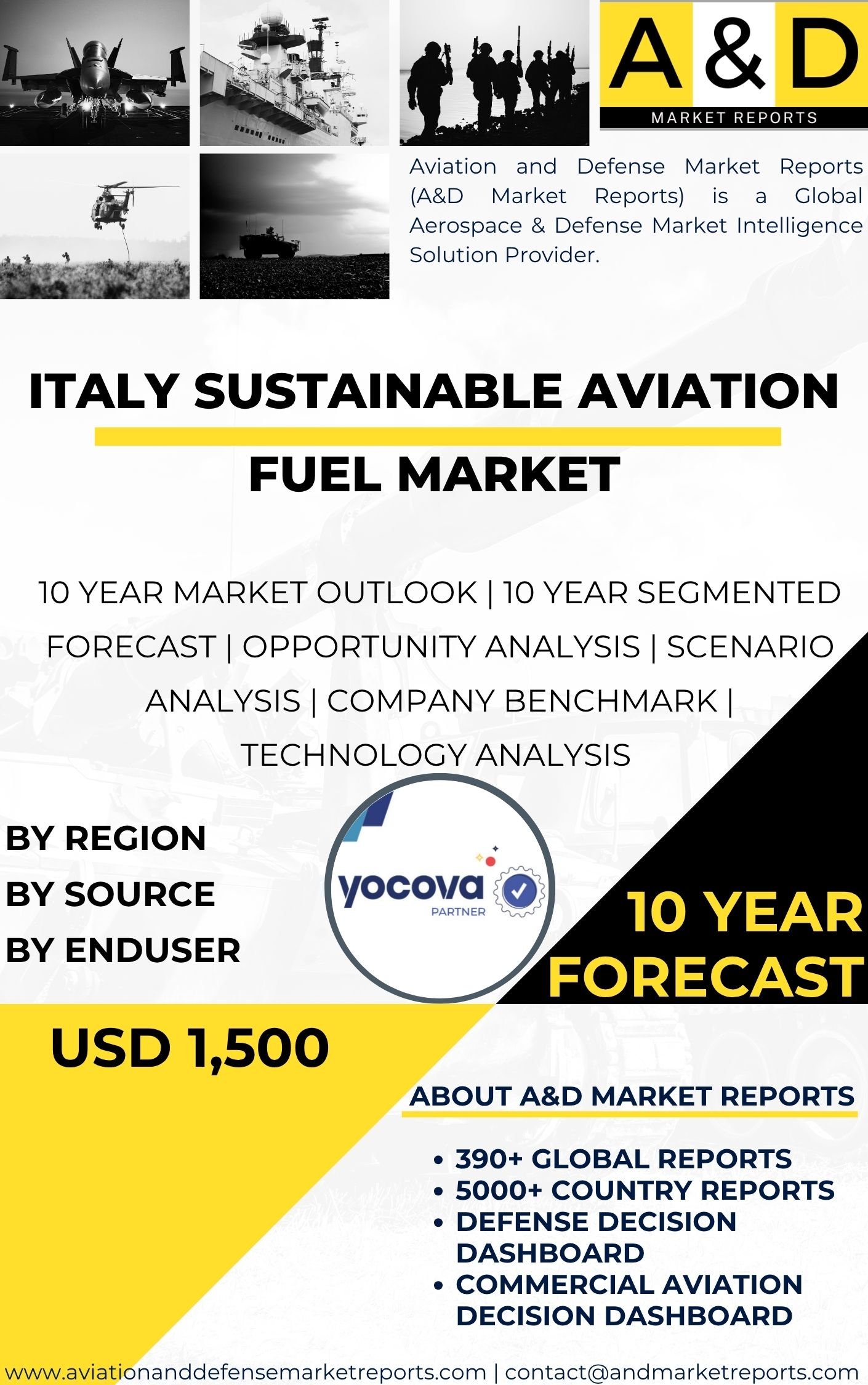
Overview of the Italy Sustainable Aviation Fuel Market
The Italy Sustainable Aviation Fuel (SAF) Market is an increasingly vital and rapidly evolving segment within the country’s aviation and energy sectors, dedicated to providing advanced and environmentally friendly alternatives to conventional aviation fuels. Sustainable aviation fuel, also known as biojet fuel or renewable jet fuel, is derived from sustainable feedstocks such as biomass, waste materials, and algae. The market reflects Italy’s strong commitment to reducing greenhouse gas emissions and promoting cleaner energy solutions in aviation. As global environmental concerns intensify, Italy is actively positioning itself to adopt innovative fuel technologies that align with international sustainability goals. This transition is not only environmentally necessary but also strategically important for the long-term viability of the aviation sector.
Strategic Importance and Market Drivers
Italy’s strategic location in Europe and its substantial air traffic volume emphasize the importance of adopting sustainable aviation fuel to mitigate environmental impact. The market is primarily driven by global pressure to reduce carbon emissions and comply with climate agreements such as the Paris Agreement. Airlines and aviation authorities are increasingly focusing on decarbonization strategies, making SAF a key component of future aviation operations. Additionally, rising fuel costs and the need for energy diversification further push the demand for sustainable alternatives. These factors collectively create a strong foundation for SAF market growth in Italy.
Market Ecosystem and Stakeholders
The Italy Sustainable Aviation Fuel Market includes a broad ecosystem of stakeholders such as biofuel producers, airlines, research institutions, and government bodies. These entities work collaboratively to advance SAF production technologies and promote its adoption across the aviation sector. Government support through policy frameworks and incentives plays a crucial role in accelerating market development. Research institutions contribute through innovation and technological advancements, while aviation companies drive demand by integrating SAF into their fuel mix. This interconnected ecosystem ensures steady progress and innovation within the market.
Key Industry Players
One of the major contributors to the Italy Sustainable Aviation Fuel Market is ENI, a leading Italian multinational energy company. ENI has been actively investing in renewable energy and biofuel production, including sustainable aviation fuel initiatives. The company’s expertise in refining and energy infrastructure positions it as a key enabler in scaling SAF production. Its involvement highlights Italy’s industrial capability and commitment to transitioning toward cleaner energy sources. Such players are essential for bridging the gap between innovation and large-scale commercialization.
Role of International Collaboration
The Italy Sustainable Aviation Fuel Market also benefits significantly from international collaborations and partnerships. Joint research initiatives, cross-border investments, and technology transfers help enhance Italy’s capabilities in SAF production. Collaborations with global aviation and energy companies enable knowledge sharing and accelerate innovation. These partnerships also facilitate the development of international SAF supply chains, ensuring consistent availability and competitiveness. As sustainability becomes a global priority, such collaborations are becoming increasingly critical for market expansion.
Key Challenges in Market Development
Despite its potential, the Italy Sustainable Aviation Fuel Market faces several challenges. One major issue is scaling up production to meet growing demand from the aviation industry. Current production levels are insufficient, and expanding capacity requires significant investment and technological advancement. Additionally, the availability of sustainable feedstocks remains a concern, as it must not interfere with food production or harm ecosystems. Addressing these challenges is essential for ensuring long-term market sustainability and growth.
Regulatory and Policy Barriers
Another critical challenge lies in establishing supportive regulatory and policy frameworks. The adoption of SAF depends heavily on government incentives, mandates, and subsidies to make it economically viable. Without strong policy backing, airlines may hesitate to transition due to higher costs compared to conventional fuels. Italy must align its policies with broader European Union sustainability goals to create a favorable environment for SAF adoption. Clear regulations and long-term policy commitments will play a decisive role in shaping the market’s future.
Growth Opportunities and Market Potential
The increasing global focus on sustainability presents significant opportunities for the Italy Sustainable Aviation Fuel Market. Airlines adopting SAF can enhance their environmental credentials and meet stringent emission targets. This shift also opens new revenue streams and competitive advantages for companies investing in green technologies. As consumer awareness about sustainability grows, demand for eco-friendly travel options is expected to rise, further boosting SAF adoption. This creates a strong business case for continued investment in the sector.
Export Potential and Global Expansion
Italy also has strong export potential in the SAF market, enabling it to expand its presence in international energy markets. By developing advanced SAF technologies and production capabilities, Italy can become a key supplier to other countries transitioning to sustainable aviation. International partnerships and global supply chains will further strengthen this position. Export opportunities not only drive economic growth but also enhance Italy’s reputation as a leader in sustainable energy solutions.
Innovation and Technological Advancements
Technological innovation plays a crucial role in advancing the Italy Sustainable Aviation Fuel Market. Investments in research and development are leading to improved feedstock conversion processes and higher production efficiency. Emerging technologies such as advanced bio-refining and synthetic fuel production are making SAF more competitive with traditional jet fuel. Continuous innovation will be key to reducing costs and increasing scalability, ensuring widespread adoption across the aviation industry.
Contribution to Energy Security
The development of sustainable aviation fuel also contributes to Italy’s energy security. By reducing dependence on imported fossil fuels, Italy can strengthen its energy independence and resilience. A robust domestic SAF supply chain ensures stability in fuel availability while supporting national economic growth. Diversifying energy sources is particularly important in today’s volatile global energy landscape, making SAF a strategic asset for the country.
Conclusion
In conclusion, the Italy Sustainable Aviation Fuel Market represents a transformative shift toward cleaner and more sustainable aviation practices. The growing demand for environmentally friendly fuel alternatives highlights Italy’s commitment to reducing emissions and supporting global climate goals. While challenges such as production scalability and policy support remain, the market offers substantial opportunities for innovation, growth, and international collaboration. By leveraging its industrial strengths and investing in advanced technologies, Italy is well-positioned to become a key player in the global transition to sustainable aviation fuel.