
Description
Market Overview and Strategic Importance
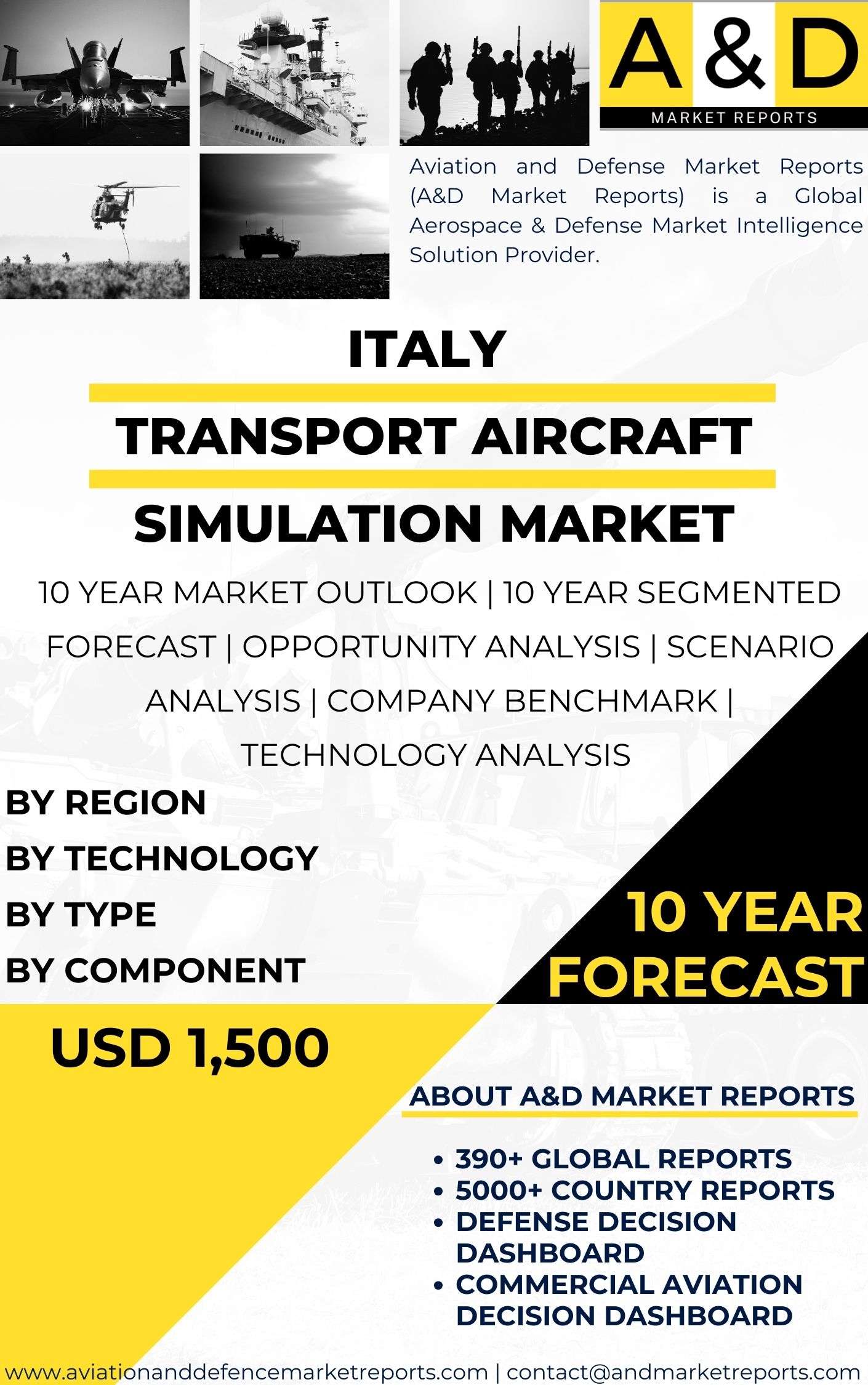
The Italy Transport Aircraft Market is a crucial and dynamic segment within the country’s defense industry, focused on delivering advanced aircraft for both military and civilian transport operations. Transport aircraft are essential for a wide range of missions, including troop deployment, cargo logistics, medical evacuation, and humanitarian relief efforts. These aircraft form the backbone of rapid response capabilities, enabling efficient movement of personnel and equipment across regions. The market reflects Italy’s commitment to strengthening its logistical capabilities through modern, reliable, and high-performance air transport solutions.
Strategic Drivers and Operational Need
Italy’s geographical position in Europe and its involvement in international peacekeeping and humanitarian missions make a strong transport fleet indispensable. The need for rapid deployment of forces and supplies in crisis situations drives demand for versatile and dependable aircraft. Additionally, increasing participation in NATO and global operations requires Italy to maintain high standards of operational readiness. These factors collectively contribute to the steady growth and importance of the transport aircraft market.
Types of Transport Aircraft
The Italy Transport Aircraft Market includes a wide variety of aircraft designed for different operational roles and mission requirements. Tactical airlifters are used for short-range missions and can operate from rough or unprepared runways, making them ideal for frontline support. Strategic transport aircraft are capable of long-range missions and heavy cargo transport, supporting global operations. Special mission aircraft are configured for roles such as surveillance, medical evacuation, and aerial refueling, enhancing mission versatility and effectiveness.
Key Industry Player
A major contributor in this market is Leonardo S.p.A., which plays a significant role in the development of advanced transport aircraft systems. The company is known for its strong expertise in aerospace engineering and its ability to deliver innovative and reliable aircraft solutions. Its focus on integrating modern avionics and efficient propulsion systems ensures high performance and operational reliability. Leonardo’s presence strengthens Italy’s position in the global aerospace and defense sector.
Role of International Collaboration
The Italy Transport Aircraft Market benefits from strong partnerships with international aerospace companies and research institutions. These collaborations enable access to advanced technologies, shared development costs, and improved innovation capabilities. Joint programs also enhance interoperability with allied nations, ensuring that Italian aircraft can operate seamlessly in multinational missions. Such cooperation is essential for maintaining competitiveness in the global market.
Technological Challenges and Innovation Needs
One of the key challenges in this market is the continuous need for technological advancement to meet evolving mission requirements. Modern transport aircraft must incorporate advanced avionics, communication systems, and efficient cargo handling mechanisms. As missions become more complex, aircraft must also support real-time data exchange and enhanced situational awareness. Continuous research and development are essential to ensure that transport platforms remain capable and future-ready.
Cost and Sustainability Considerations
Developing and maintaining transport aircraft involves significant financial investment, making cost management a critical concern. Governments must balance the need for advanced capabilities with budget limitations while ensuring long-term operational efficiency. Sustainability is also becoming increasingly important, with a focus on reducing fuel consumption and environmental impact. Efficient aircraft design and lifecycle management play a key role in addressing these challenges.
Interoperability and Multi-Mission Capability
Modern transport aircraft are expected to perform multiple roles beyond basic cargo and troop transport. These include aerial refueling, disaster response, and even electronic warfare support in certain configurations. Ensuring that aircraft can be quickly reconfigured for different missions enhances operational flexibility. Interoperability with other military systems and allied forces is also essential for coordinated operations and mission success.
Opportunities in Multi-Role Aircraft Development
The growing demand for multi-role transport aircraft presents significant opportunities for innovation and growth. Aircraft designed with modular configurations can adapt to various mission requirements, reducing the need for multiple specialized platforms. This approach improves cost efficiency and operational effectiveness. Developing flexible and adaptable aircraft is becoming a key focus area for the industry.
Export Potential and Global Expansion
Italy’s expertise in transport aircraft manufacturing offers strong export opportunities in the international market. Many countries seek reliable and versatile transport solutions for both defense and humanitarian purposes. Expanding exports helps strengthen Italy’s economic position and builds long-term defense partnerships. Participation in global programs also enhances technological exchange and industry growth.
Integration of Advanced Technologies
The incorporation of advanced technologies such as artificial intelligence and autonomous systems is transforming transport aircraft capabilities. AI-driven systems can optimize flight operations, improve navigation, and enhance safety. Advanced navigation and automation technologies also reduce pilot workload and increase mission efficiency. These innovations are shaping the future of military and civilian air transport.
Advancements in Materials and Manufacturing
Innovations in materials science and manufacturing techniques are improving the performance and efficiency of transport aircraft. Lightweight composite materials enhance fuel efficiency and increase payload capacity. Additive manufacturing allows for the production of complex components with reduced costs and improved precision. These advancements contribute to more durable, efficient, and high-performance aircraft platforms.
Conclusion and Future Outlook
In conclusion, the Italy Transport Aircraft Market plays a vital role in supporting the country’s defense and humanitarian operations. The increasing complexity of global missions requires continuous innovation in aircraft design and technology. By leveraging advancements in AI, materials, and multi-role capabilities, Italy can maintain a strong position in the global aerospace industry. The future of the market lies in developing efficient, adaptable, and technologically advanced transport aircraft that meet the evolving demands of modern operations.