
Description
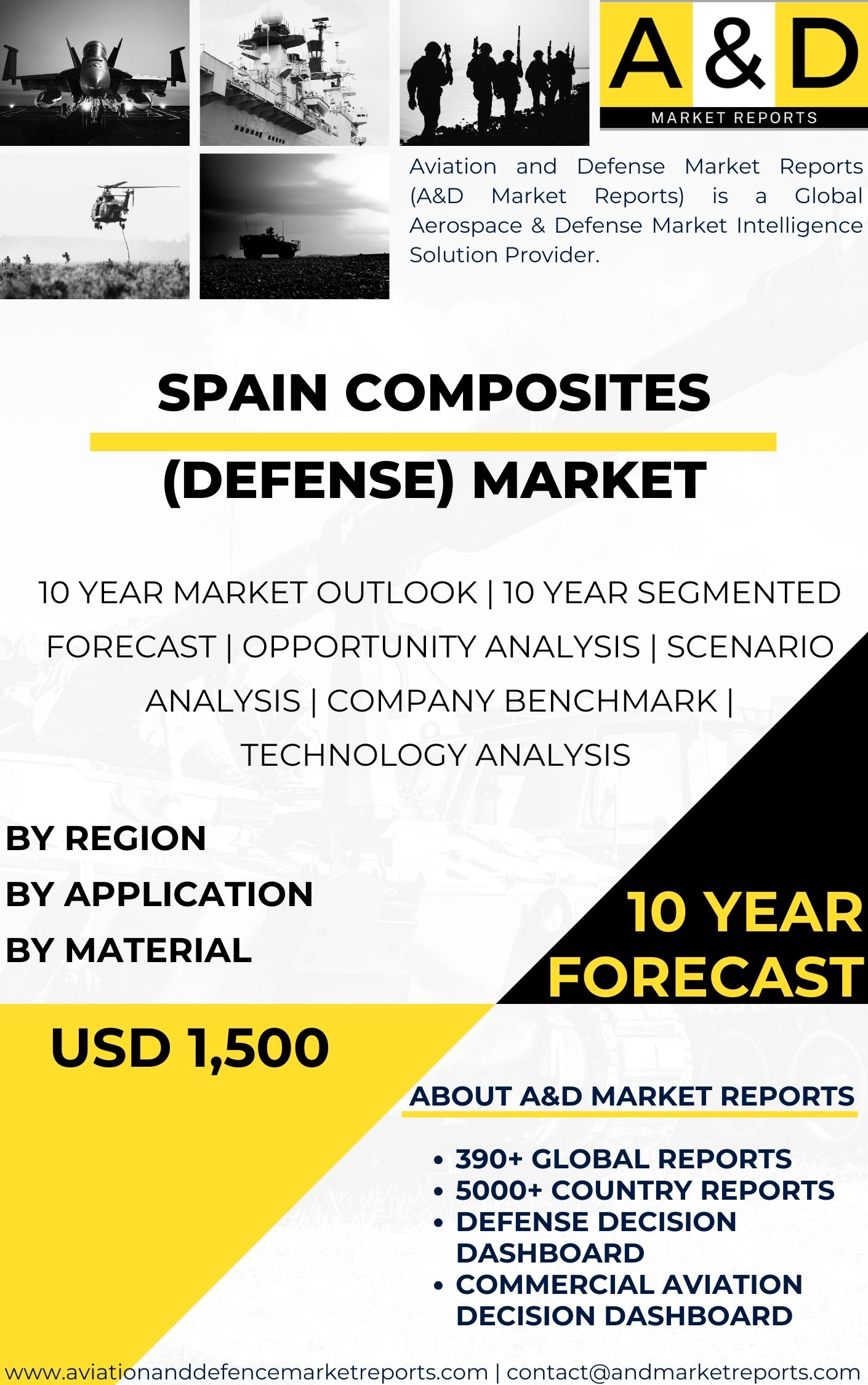
Overview of Spain Defense Composites Market
The Spain Composites (Defense) Market defense industry is a key enabler of modern military capability, focusing on the development and application of advanced materials that combine two or more constituents to achieve superior strength, reduced weight, and enhanced durability. These materials are widely used across aircraft, naval vessels, land vehicles, and soldier protection systems. Spain’s defense sector continues to expand its use of composites to improve performance, operational efficiency, and survivability across multiple platforms while aligning with global defense modernization trends.
Key Drivers of Market Growth
The adoption of composites in Spain’s defense industry is driven by the need for lightweight yet high-strength materials that enhance mobility, fuel efficiency, and mission endurance. Growing emphasis on environmental sustainability, reduced emissions, and improved operational efficiency also supports increased usage. Additionally, rapid advancements in material science and manufacturing technologies are enabling more complex and high-performance composite applications in defense systems.
Composites in Aerospace and Aircraft Systems
Composites play a major role in military aircraft in Spain. Engineers use carbon fiber and glass fiber materials to reduce weight and increase strength. As a result, aircraft become more fuel efficient and easier to operate. For example, Airbus Defence and Space uses composites in the Airbus A400M. This improves payload capacity and mission range. It also enhances structural strength during long missions. In addition, composites reduce maintenance needs and extend aircraft life.
Naval Applications of Composites
Naval defense in Spain also depends on composite materials. These materials resist corrosion and last longer in harsh sea conditions. Therefore, ships require less maintenance and achieve better durability. In addition, composites reduce vessel weight and improve speed and stability. Navantia uses composites in modern frigates like the Álvaro de Bazán class to improve stealth and performance. They also help reduce radar visibility. Furthermore, they support better fuel efficiency in naval operations.
Land Defense and Armored Vehicle Applications
Composites also strengthen land defense systems in Spain. They reduce the weight of armored vehicles while keeping high protection levels. As a result, vehicles move faster and perform better in combat zones. In addition, composite armor protects against bullets and explosions. Companies such as Santa Bárbara Sistemas develop advanced armor solutions for Spanish military vehicles. These solutions improve survivability of soldiers in high-risk missions. They also enhance vehicle mobility in difficult terrain.
Soldier Protection and Personal Equipment
Composites improve soldier safety and mobility. Body armor and helmets use lightweight composite materials for better protection. As a result, soldiers carry less weight and move more easily. In addition, stronger materials increase survival rates in combat. These improvements make modern military gear more effective and comfortable. They also reduce fatigue during long missions. Furthermore, they allow better performance in extreme conditions.
Technological Advancements in Composites
Technology continues to improve composite materials in defense. For example, nanocomposites offer higher strength at lower weight. In addition, 3D printing allows faster and more flexible production. These innovations help Spain build better and more advanced defense systems. As a result, performance and efficiency continue to improve. Research institutions also work with defense companies to develop new solutions. This leads to continuous innovation in material science.
Sustainability and Environmental Considerations
Composites also support environmental goals in defense. They reduce fuel use because they lower platform weight. Therefore, aircraft and ships produce fewer emissions. In addition, Spain focuses on greener defense technologies. This makes composites important for sustainable military development. They also help reduce long-term operational costs. Moreover, they support compliance with European environmental standards.
Budget and Regulatory Factors
Budget limits affect how Spain uses composite technologies. Defense programs must balance cost and performance. However, long-term savings often justify initial investment. In addition, Spain follows strict international defense regulations. These rules ensure safe use and global compatibility of materials. Export rules also influence material development strategies. Furthermore, funding priorities affect research speed and adoption rates.
Conclusion
The composites market in Spain’s defense industry is a vital contributor to military modernization, offering significant advantages in weight reduction, strength, durability, and operational efficiency. From aerospace and naval platforms to armored vehicles and soldier protection systems, composites are transforming defense capabilities across multiple domains. With strong involvement from companies like Airbus Defence and Space, Navantia, and Santa Bárbara Sistemas, Spain continues to expand its expertise in advanced materials. Driven by innovation, sustainability goals, and evolving defense requirements, the composites market will remain a key pillar of Spain’s future military strength and technological advancement.