
Description
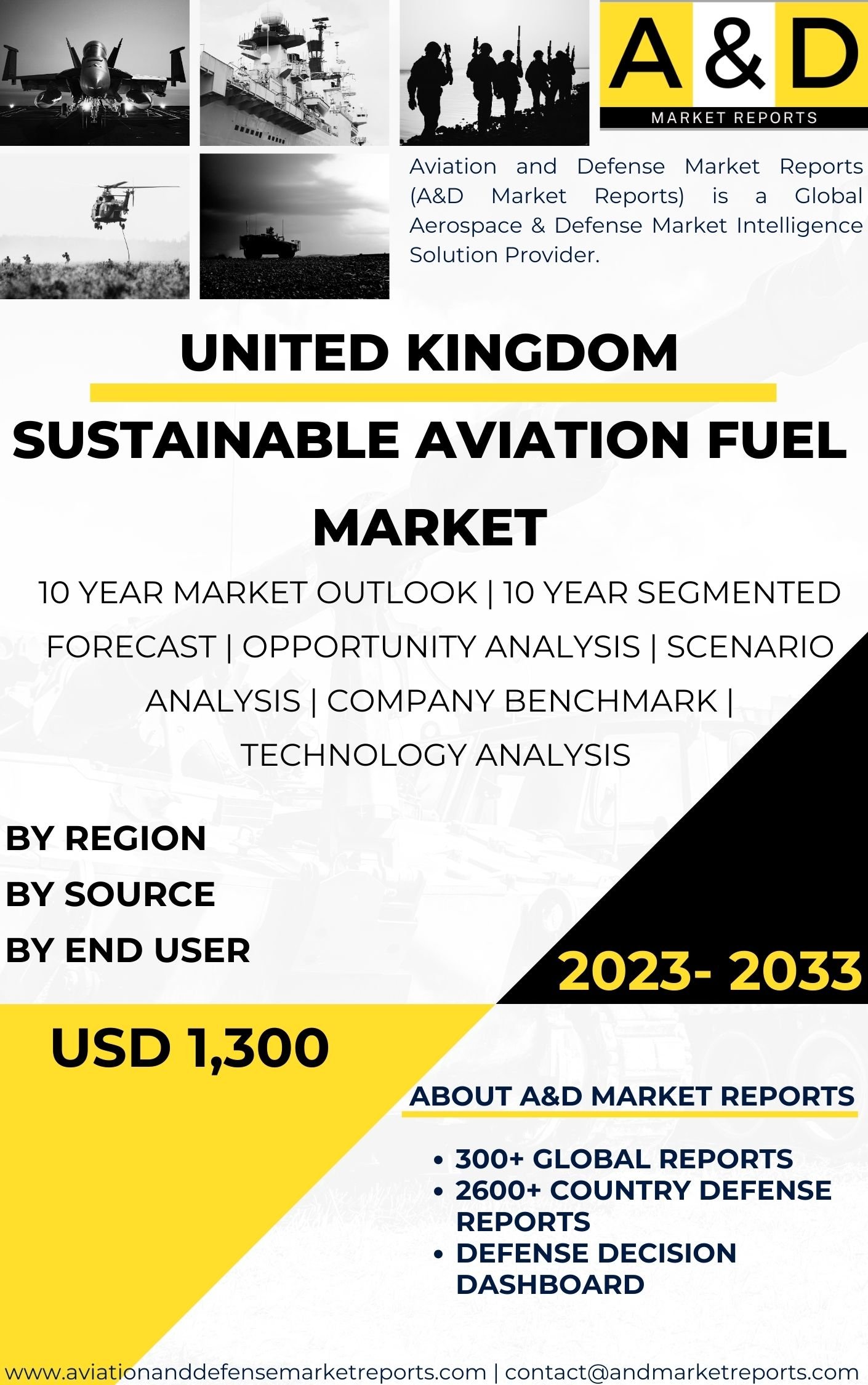
United Kingdom Sustainable Aviation Fuel Market: Driving a Greener Future
The United Kingdom Sustainable Aviation has emerged as a key component of the nation’s aviation and energy sectors. As airlines strive to reduce greenhouse gas emissions and achieve carbon-neutral operations, SAF provides a practical solution for lowering the environmental impact of air travel. By enabling aircraft to operate with fewer emissions without significant modifications, SAF supports both sustainability and operational efficiency. Consequently, the market plays a strategic role in the UK’s broader climate objectives, helping aviation align with national and international carbon reduction targets while supporting the country’s reputation as a leader in clean energy innovation.
Growth Drivers in the United Kingdom Sustainable Aviation Fuel Market
The demand for SAF in the UK is rising steadily due to growing pressure on the aviation sector to cut carbon emissions. Aviation contributes significantly to global greenhouse gas output, and SAF allows airlines to reduce this impact without replacing existing aircraft fleets. In addition, the UK government has introduced ambitious sustainability targets, including blending mandates and financial incentives, which encourage airlines and fuel producers to invest in SAF. Furthermore, increasing public and corporate demand for greener travel options has accelerated market adoption. These drivers combine to make the UK SAF market one of the fastest-growing segments in the aviation industry.
Key Players in the United Kingdom Sustainable Aviation Fuel Market
The UK SAF market comprises biofuel producers, energy companies, and major aviation operators, all collaborating to scale up production and adoption. Leading firms are investing in research to develop SAF from diverse feedstocks, including waste, agricultural residues, and sustainable crops. Their goal is to produce fuels that meet stringent aviation safety and performance standards while ensuring consistent supply. Moreover, partnerships between aviation companies and energy producers foster innovation, streamline supply chains, and support long-term market growth. Collectively, these stakeholders are laying the foundation for a sustainable and commercially viable SAF ecosystem in the UK.
Technological Advancements in the UK SAF Market
Technology is central to the growth and efficiency of SAF production. Advanced conversion methods such as hydroprocessing and Fischer–Tropsch synthesis have increased production yields while reducing costs. Additionally, innovations in feedstock processing allow a wider range of raw materials to be converted into fuel, minimizing dependence on fossil sources and enhancing supply stability. New techniques, including carbon capture and utilization (CCU) integration, further improve the environmental performance of SAF. These technological advancements make SAF more scalable, economically feasible, and environmentally sustainable, ensuring the market can meet growing aviation demand.
Policy Support for the United Kingdom Sustainable Aviation Fuel Market
Government policies strongly influence the development of the UK SAF market. The UK has implemented financial incentives, blending mandates, and regulatory frameworks to promote SAF production and usage. Funding for new production plants and research programs encourages innovation and private investment. By creating a clear regulatory and financial environment, policymakers are helping to de-risk projects, attract capital, and accelerate the adoption of SAF across the aviation sector. These policy measures are crucial for scaling up production and supporting the UK’s commitment to achieving long-term aviation decarbonization goals.
International Collaborations Strengthening the UK SAF Market
The UK actively engages in international partnerships to support SAF adoption. Through frameworks such as ICAO’s CORSIA program, the UK collaborates with global aviation stakeholders to reduce emissions from international flights. These collaborations enable technology sharing, access to alternative feedstock sources, and harmonized standards, enhancing efficiency and market growth. International cooperation also fosters joint research initiatives and investment opportunities, helping the UK remain at the forefront of global SAF development. By leveraging global expertise, the UK can accelerate innovation and strengthen its position in the international sustainable aviation market.
Future Outlook for the United Kingdom Sustainable Aviation Fuel Market
The outlook for the UK SAF market is highly promising. Airlines are implementing long-term sustainability strategies to achieve carbon neutrality, which will drive continued demand for SAF. Production capacity is expected to increase as technological advancements, policy incentives, and private investment converge. Furthermore, SAF adoption supports the UK’s climate commitments and its role as a global leader in aviation sustainability. With continued innovation and strategic planning, the UK SAF market is poised for significant growth, contributing to cleaner aviation and a more sustainable energy future.
Challenges Facing the United Kingdom Sustainable Aviation Fuel Market
Despite strong potential, the SAF market faces key challenges. Feedstock supply remains limited due to competition from other industries and environmental constraints, which can restrict production scalability. High production costs also remain a barrier, as SAF is generally more expensive than conventional jet fuel. In addition, developing advanced technologies, ensuring regulatory compliance, and integrating SAF into existing supply chains require ongoing effort. Addressing these challenges is essential to ensure cost-effective, sustainable, and reliable fuel availability for the aviation sector.
Opportunities for Improvement
To overcome these barriers, the UK SAF market must focus on research, development, and advanced production methods. Improved conversion technologies, such as hydroprocessing enhancements and CCU integration, can increase efficiency and reduce costs. Collaboration with international partners and investment in large-scale production plants will also help meet growing demand. Additionally, government policies supporting feedstock diversification, incentives, and carbon reduction targets can accelerate SAF adoption and make it more competitive with conventional fuels.
Conclusion
The United Kingdom sustainable aviation fuel market is a critical driver of cleaner aviation and reduced emissions. Key players, technological innovation, supportive policies, and global partnerships all contribute to market growth. By continuing to invest in R&D, adopt advanced production methods, and strengthen international collaboration, the UK can enhance SAF supply, reduce aviation’s environmental impact, and maintain leadership in sustainable aviation. Ultimately, SAF will play a central role in creating a greener, more sustainable future for air travel.