
Description
Introduction to IoT in Defense
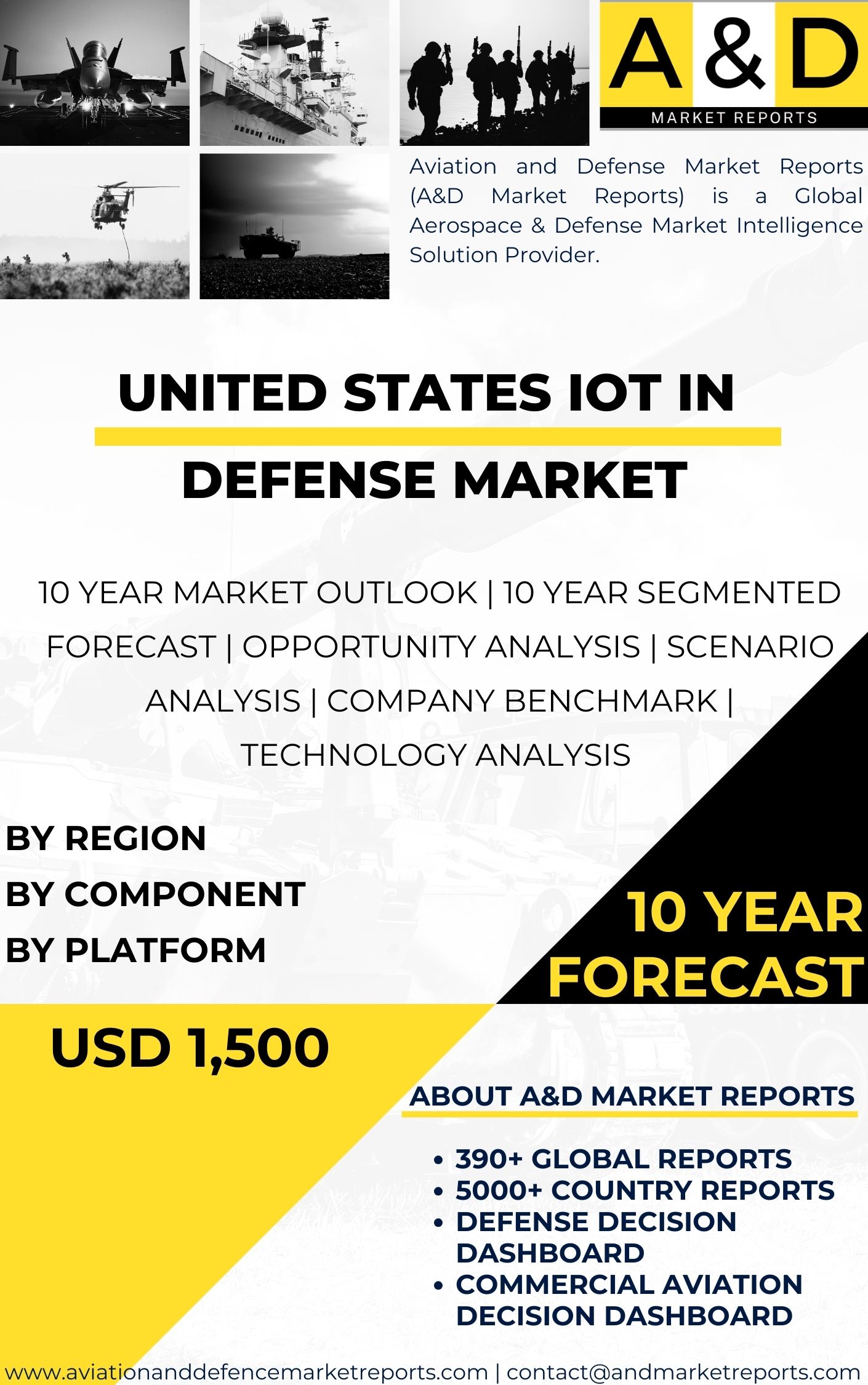
The United States IoT has become an important technology in the United States defense industry. IoT refers to a network of connected devices, sensors, software systems, and communication technologies that collect and exchange data in real time. The U.S. military uses IoT technologies to improve operational efficiency, battlefield awareness, logistics management, and decision-making capabilities. Modern military operations require rapid access to information, and IoT systems help commanders and personnel receive accurate data quickly. These technologies support air, land, sea, cyber, and space operations by improving communication and coordination between military platforms and personnel.
Development of IoT in the Military
The development of IoT in the defense sector grew alongside advances in wireless communication, sensor technology, cloud computing, and data analytics. Early military systems relied heavily on standalone communication and monitoring equipment with limited connectivity. As digital technology evolved, the Department of Defense began integrating connected devices and automated systems into military operations. Modern defense IoT systems now include smart sensors, tracking devices, autonomous systems, and real-time monitoring platforms. These systems allow military organizations to collect large amounts of operational data and use that information to improve mission effectiveness and resource management.
Asset Management and Logistics
One of the most important applications of IoT in defense is asset management and military logistics. The U.S. military operates large inventories of vehicles, aircraft, weapons, supplies, and support equipment that must be monitored continuously. IoT sensors and tracking devices help military personnel monitor the location, condition, and operational status of these assets in real time. This technology improves inventory management, reduces equipment losses, and supports efficient deployment planning. Logistics units can also use IoT data to optimize transportation routes, reduce delays, and improve supply chain performance during military operations.
Aircraft Monitoring and Maintenance
The U.S. Air Force uses IoT systems extensively to monitor aircraft health and performance. Sensors installed in aircraft engines and critical components collect information related to fuel consumption, vibration levels, temperature, and mechanical performance. Maintenance teams analyze this data to identify potential problems before failures occur. Predictive maintenance improves aircraft availability and reduces operational downtime. By detecting issues early, the military can reduce repair costs, improve safety, and maintain higher readiness levels across its aircraft fleets. IoT technologies also help extend the service life of military equipment through continuous monitoring and data analysis.
Battlefield Surveillance and Reconnaissance
IoT technologies play a major role in battlefield surveillance and reconnaissance operations. Military sensors, cameras, drones, and unmanned systems collect and transmit real-time intelligence data from operational areas. Commanders use this information to monitor enemy movements, identify threats, and improve situational awareness. Unmanned aerial vehicles equipped with IoT technologies provide live video feeds and sensor data that support tactical planning and mission execution. These systems allow military forces to gather intelligence without exposing soldiers to unnecessary risks in dangerous environments.
Wearable Devices for Soldiers
Wearable IoT devices are becoming increasingly important in modern military operations. Smart devices integrated into soldier equipment can monitor heart rate, body temperature, hydration levels, fatigue, and other health indicators. Medical teams and commanders use this information to assess soldier readiness and respond quickly during emergencies. Wearable technologies also improve casualty response by providing real-time medical data during combat situations. In addition to health monitoring, wearable devices can support navigation, communication, and battlefield awareness for infantry forces operating in complex environments.
Training and Simulation Applications
IoT technologies are also transforming military training and simulation programs. Virtual reality and augmented reality systems combined with IoT sensors create realistic combat training environments for soldiers, pilots, and vehicle crews. These systems simulate battlefield conditions and provide real-time feedback during exercises. Training personnel can evaluate performance data and identify areas for improvement more effectively. IoT-enabled training systems improve combat readiness while reducing training costs and minimizing the risks associated with live exercises. Realistic simulation environments help military personnel prepare for modern battlefield challenges more efficiently.
Cybersecurity Challenges
The growing use of IoT technologies in defense also creates serious cybersecurity concerns. Connected devices and communication networks can become targets for cyberattacks, hacking attempts, and electronic warfare operations. Unauthorized access to military IoT systems could compromise sensitive information or disrupt critical operations. The U.S. military places strong emphasis on cybersecurity measures to protect connected defense systems. Encryption technologies, secure communication protocols, multi-factor authentication, and continuous network monitoring help reduce cyber risks. Cybersecurity teams also conduct threat analysis and vulnerability testing to strengthen military IoT infrastructure against evolving digital threats.
Interoperability and Data Sharing
Interoperability is another major requirement for military IoT systems. The U.S. Armed Forces often conduct joint operations involving the Army, Navy, Air Force, Marine Corps, Space Force, and allied nations. IoT systems must communicate effectively across different platforms, networks, and command structures. Standardized communication protocols and common data formats allow military units to exchange information quickly and accurately. The Department of Defense continues to develop standards and guidelines that improve integration between connected military systems. Effective interoperability strengthens coordination during large-scale military operations and coalition missions.
Advantages of IoT in Defense
The use of IoT technologies provides several important benefits to the defense sector. Real-time data collection improves battlefield awareness and supports faster decision-making during combat operations. Automated monitoring systems reduce manual workloads and increase operational efficiency. Predictive maintenance capabilities improve equipment reliability and reduce downtime. IoT systems also strengthen logistics planning, force protection, and mission coordination. By connecting sensors, vehicles, aircraft, drones, and command centers into a unified network, the military can respond more effectively to rapidly changing operational situations.
Future Development of Military IoT
The future of IoT in defense will likely involve greater use of artificial intelligence, autonomous systems, and advanced data analytics. AI-powered IoT networks may help military systems identify threats automatically, optimize mission planning, and improve battlefield coordination. Future smart military platforms could operate with higher levels of autonomy while sharing data across secure networks in real time. Advances in 5G communication, cloud computing, and edge computing are also expected to improve the speed and reliability of military IoT systems. The Department of Defense continues to invest heavily in research and development to maintain technological superiority in connected warfare systems.
Conclusion
The Internet of Things has become a critical technology in the United States defense industry. IoT systems improve military logistics, battlefield surveillance, predictive maintenance, soldier health monitoring, and operational coordination. These technologies provide real-time information that supports faster and more effective military decision-making. Although cybersecurity and interoperability remain important challenges, continued investment in secure and advanced IoT technologies will strengthen future defense capabilities. As military operations become increasingly data-driven and connected, IoT will continue to shape the future of modern warfare and national defense strategy.