
Description
Market Overview and Growth Trends
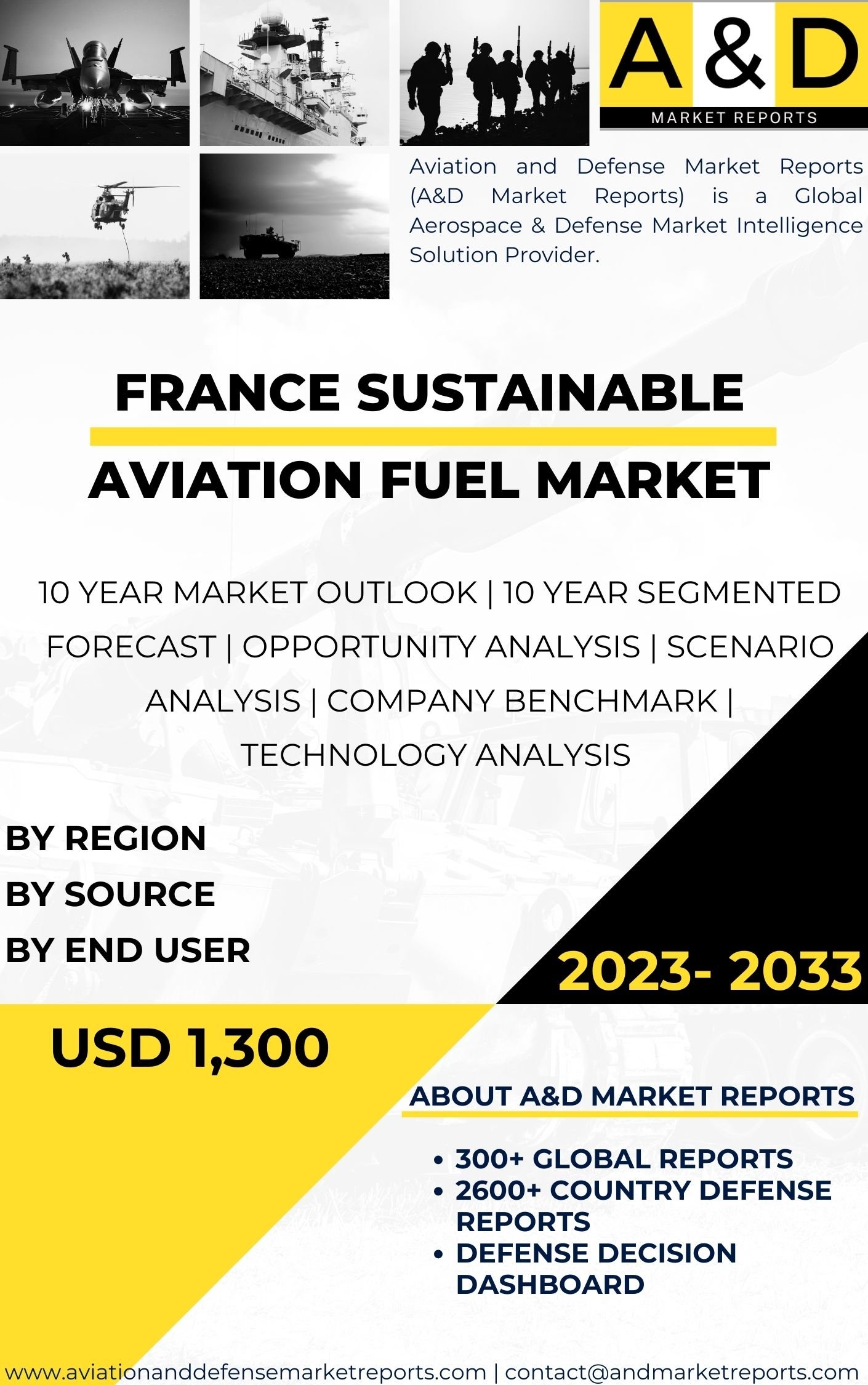
The France Sustainable Aviation Fuel has experienced strong growth in recent years due to rising environmental awareness. The aviation sector is under pressure to reduce emissions and improve sustainability. Sustainable aviation fuel has emerged as a practical solution to lower carbon output. France’s commitment to green energy and innovation supports this transition. The country has invested in SAF production and infrastructure development. Moreover, market demand is increasing from airlines and fuel suppliers. This growth reflects long-term environmental and economic priorities. Overall, SAF has become a strategic component of France’s aviation ecosystem.
Importance of Decarbonizing Aviation
A key driver of the SAF market in France is the urgent need to decarbonize aviation. The aviation industry contributes significantly to greenhouse gas emissions. Therefore, alternative fuels are essential for emission reduction. Sustainable aviation fuel offers lower lifecycle carbon emissions compared to conventional jet fuel. It can be blended with existing fuels without aircraft modification. France promotes SAF as a bridge solution toward cleaner aviation. This approach supports national climate targets and EU sustainability goals. Decarbonization remains central to market expansion.
Government Policies and Strategic Initiatives
The French government plays an active role in accelerating SAF adoption. National policies clearly define long-term sustainability goals. Programs such as Biojet2030 provide direction for production scaling. Financial incentives encourage investment in SAF facilities and research. Tax benefits support airlines adopting cleaner fuels. Government-backed funding reduces risks for new producers. France also aligns domestic policies with European frameworks. Policy support remains a key market enabler.
Role of the French Aerospace Industry
France’s aerospace industry significantly influences SAF development. Leading aviation firms collaborate with fuel producers and researchers. These partnerships ensure SAF compatibility with aircraft systems. Testing and certification processes meet strict performance standards. Industry involvement builds confidence among airlines. Research institutions support innovation in fuel chemistry. This industrial ecosystem accelerates commercialization. The aerospace sector strengthens France’s leadership in SAF.
Advancements in Feedstock and Production Technologies
Ongoing research has expanded feedstock options for SAF production. France explores waste oils, agricultural residues, and biomass. Algae and municipal waste are also under evaluation. Advanced conversion pathways improve fuel efficiency. Technologies like hydroprocessing enable drop-in fuel compatibility. These innovations reduce reliance on fossil fuels. Diversified feedstocks improve supply resilience. Technological progress continues to shape the market.
International Collaboration and Partnerships
France actively collaborates with global partners on SAF initiatives. Joint research programs accelerate technology development. Public-private partnerships support large-scale deployment. Commercial agreements help secure international supply chains. Knowledge sharing improves production efficiency worldwide. These collaborations reduce costs through shared expertise. France strengthens its global SAF presence through cooperation. International engagement supports market scalability.
Applications Beyond Aviation
The SAF market in France extends beyond aviation use. Similar fuel technologies can support marine transport. Road transportation may also benefit from SAF-derived fuels. Cross-sector applications enhance sustainability outcomes. This diversification improves commercial viability. France aims to leverage SAF expertise across transport systems. Broader use cases support emission reduction goals. Multi-sector adoption strengthens market stability.
Regulatory Framework and Sustainability Standards
France enforces strict environmental regulations for SAF usage. Adoption targets encourage consistent market growth. Sustainability certification ensures ethical sourcing. Traceability standards maintain environmental credibility. Regulatory oversight builds trust among stakeholders. Compliance aligns with EU climate policies. Environmental governance supports long-term development. Regulations guide responsible market expansion.
Future Outlook and Market Conclusion
The sustainable aviation fuel market in France is expected to grow steadily. Continued policy support will drive investment. Technological innovation will reduce production costs. Airline adoption will increase as supply expands. International cooperation will enhance market reach. SAF will play a central role in emission reduction strategies. France remains well positioned as a global leader. The market supports a cleaner aviation future.